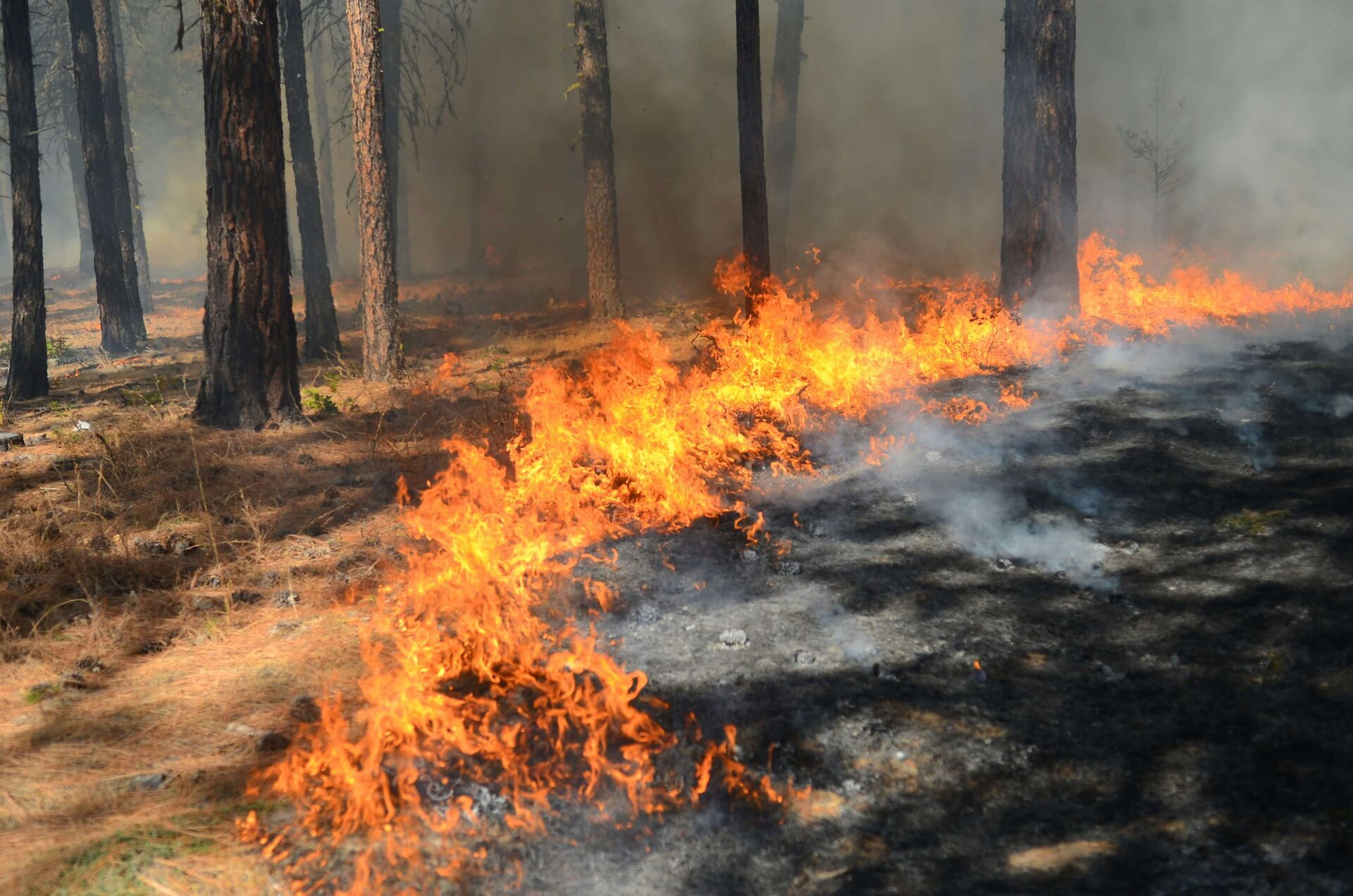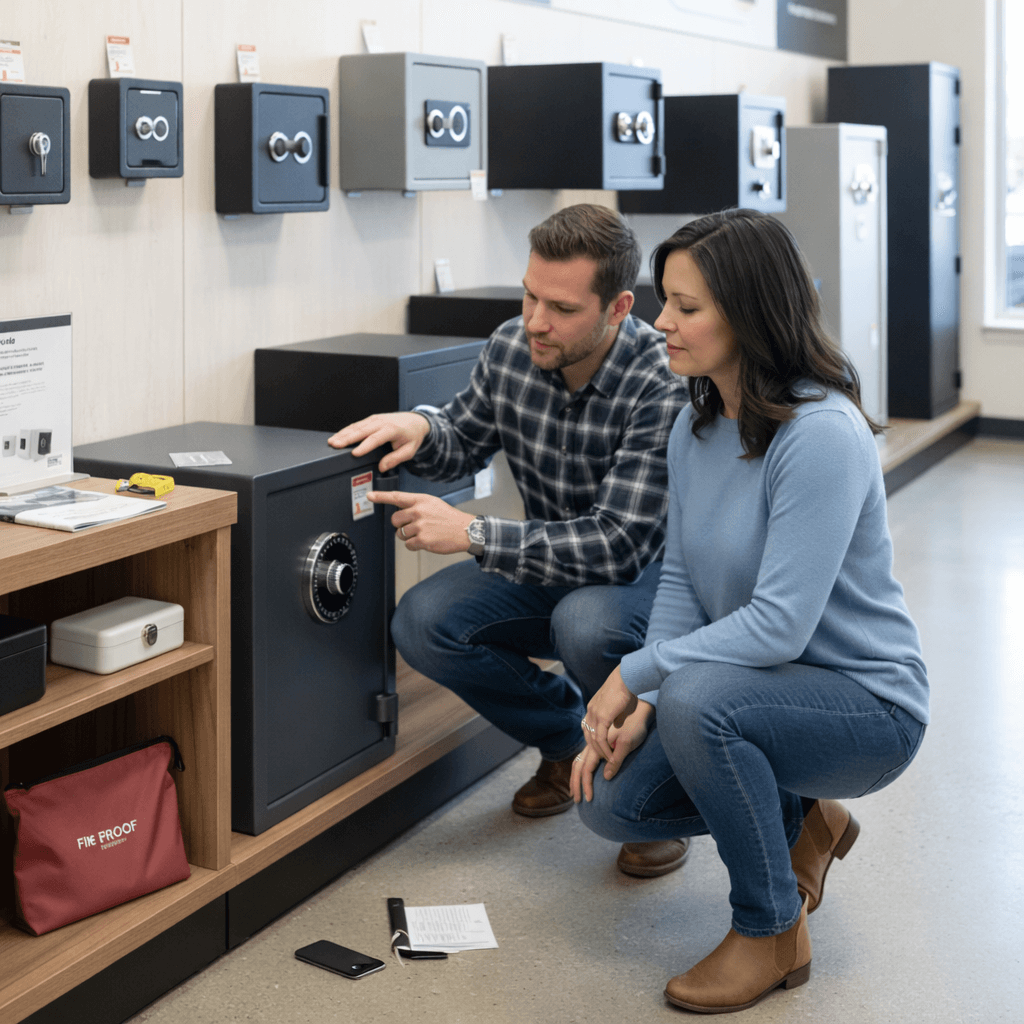
After major wildfires, first responders and homeowners often walk the same ground: charred foundations, collapsed roofs, and occasionally a safe pulled from the rubble. Sometimes it’s cracked open. Sometimes it’s sealed shut. Typically the contents inside are unreadable, warped, or gone entirely.
This is the reality behind the word “fireproof.”
Fireproof safes are widely marketed as protection against fire, but in real wildfire conditions—long burn durations, extreme radiant heat, structural collapse, and ember-driven ignition—they routinely fail to perform as people expect. That gap between expectation and reality can create a dangerous sense of confidence.
This guide explains why fireproof safes fail in wildfires, how fire ratings are commonly misunderstood, and where safes do and do not belong in a responsible wildfire preparedness plan. Safes protect paperwork under limited conditions. They do not protect people, and they are not designed to survive wildfire burnovers.
In Short
Fireproof safes are tested under controlled laboratory conditions that do not reflect real wildfire behavior. While they may help preserve documents in some short-duration house fires, they frequently fail during wildfires due to prolonged heat exposure, structural collapse, and extreme conditions beyond their design limits. Fireproof bags and boxes offer even less protection. Safes should never influence evacuation decisions or be relied on as wildfire protection. In rare, last-resort situations where evacuation is impossible, only purpose-built wildfire refuges are designed to protect human life and critical assets during a burnover.
Do Fireproof Safes Survive Wildfires?
In real wildfire events, most fireproof safes do not survive wildfires.
Wildfires differ fundamentally from the conditions most consumer fire safes are designed to withstand. Instead of a short, localized fire, wildfires expose structures to sustained radiant heat, ember storms, shifting wind, and complete structural failure. Fires may burn for hours or days, not minutes.
Firefighters and recovery teams routinely encounter safes that:
- Have exceeded their rated temperature exposure
- Were crushed or compromised during collapse
- Allowed heat transfer long after flames passed
- Contained damaged or completely destroyed contents
A safe may remain visible after a fire, but that does not mean it performed as intended.
Why “Fireproof” Ratings Don’t Translate to Real Fires
Most fire safes are tested using standardized laboratory methods. These tests expose a closed safe to a defined temperature (often 1,550°F to 1,700°F) for a limited period such as 30, 60, or 90 minutes. The interior is then measured to see whether it stayed below a target threshold (typically 350°F for paper).
What these tests do not account for:
- Prolonged exposure beyond the rated duration
- Structural collapse pinning or crushing the safe
- Continuous radiant heat after active flames pass
- Ember intrusion and re-ignition
- Rapid temperature cycling as conditions change
In wildfires, the duration and intensity frequently exceed test assumptions. Once a safe’s insulation is saturated with heat, interior temperatures continue rising—even after the fire front has moved on.
“Fireproof” is not a promise. It is a time-limited, scenario-specific rating.
Fireproof vs. Fire-Resistant vs. Waterproof
So, what do these terms actually mean?
These terms are often used interchangeably in product marketing, but they describe very different—and very limited—capabilities. Understanding the distinction matters, especially in wildfire scenarios where conditions rarely match controlled tests.
- Fire-resistant – Fire-resistant safes are designed to slow heat transfer for a specific duration under laboratory test conditions. A rating such as “60 minutes at 1,700°F” means the safe was exposed to that temperature for that amount of time while keeping the interior below a defined threshold (typically around 350°F for paper). It does not mean the safe can withstand ongoing heat, repeated exposure, or the complex thermal environment of a wildfire.
- Fireproof – “Fireproof” has no standardized technical definition in consumer products. It is a marketing term that implies permanence or certainty that does not exist in real fires. No consumer safe is immune to fire indefinitely, and none are designed for prolonged wildfire burnovers. When exposure exceeds the tested time or conditions, interior temperatures continue to rise, often well past survivable limits for documents, photos, and electronics.
- Water-resistant – Water-resistant safes are typically tested for short-term exposure to water—such as brief submersion or spray under controlled conditions. They are not designed to withstand prolonged soaking, high-pressure hose streams, shifting debris, or contaminated runoff. In wildfire aftermaths, water exposure often comes from multiple sources over extended periods, which can overwhelm seals and compromise contents even if the safe remains closed.
After wildfires, water damage is one of the most common causes of loss. Fire suppression efforts, broken plumbing, and debris removal introduce large volumes of smoke-laden water. Even when a safe avoids complete thermal failure, moisture, steam, and condensation inside the safe can render papers illegible, photos fused together, and electronics unusable.
To be clear, these labels describe how a product performed during a test. They do not describe what will happen in a real wildfire.
Fireproof Bags vs. Safes: Different Risks, Same Limitations
Fireproof document bags are often marketed as lightweight, grab-and-go solutions for emergencies. They are popular because they’re inexpensive, easy to store, and simple to carry during an evacuation. In practice, their primary value is organization, not protection. A bag can keep important papers in one place so they’re easy to grab when you leave—but that’s where its usefulness largely ends.
Most fireproof bags rely on thin layers of fire-resistant fabric to slow heat transfer for a short period of time. They are not rigid, they lack insulation depth, and they do not maintain stable internal temperatures under prolonged heat. In a structure fire (and especially in a wildfire) these materials can quickly become overwhelmed. Fireproof bags should never be relied on as stand-alone protection for documents, valuables, or irreplaceable items during a fire event.
Fireproof boxes and safes are built differently. They use thicker insulation, metal construction, and tighter door seals to delay heat transfer longer than a bag can. In limited, short-duration fire scenarios, this construction can offer improved performance. However, the fundamental limitation remains: consumer safes are not designed for wildfire burnover conditions. Extended exposure to radiant heat, shifting debris, and structural collapse can exceed the safe’s tested limits, allowing interior temperatures to rise long after flames have passed.
Some people choose to place a fireproof bag inside a safe as a form of redundancy. While this can improve organization and make it easier to remove contents after an event, it does not fundamentally change the outcome in extreme fires. Once a safe’s insulation is saturated with heat, anything inside (bag included) is exposed to rising internal temperatures and moisture.
The distinction between bags and safes is ultimately about convenience and duration, not survivability. Bags are useful for evacuation logistics. Safes may offer limited time-bound protection under specific conditions. Neither should be considered reliable protection in a wildfire, and neither should factor into decisions about when or whether to evacuate.
What Safes Can (and Cannot) Be Used For
Fireproof safes are often treated as all-purpose protection, but their real role is far more limited. Understanding what safes are actually designed to do, and what they are not, helps prevent misplaced confidence during high-risk situations. In wildfire planning, clarity matters more than optimism.
Safes can:
- Organize important paperwork
- Store documents during normal life
- Reduce minor fire or water exposure risks
Safes cannot:
- Protect people
- Guarantee document survival in wildfires
- Replace evacuation or last-resort planning
Safes should be viewed as administrative tools, not disaster solutions.
Placement, Anchoring, and Why They Often Don’t Matter in Wildfires
In typical home security planning, placement and anchoring improve theft resistance and stability. In wildfires, however, structural collapse often negates these advantages.
As a baseline, best practices still include placing safes on a lower level of the home, anchoring them to prevent tipping or movement, and avoiding locations near exterior walls, garages, or areas with heavy fuel loads. These steps can reduce secondary risks in everyday use and minor fire scenarios.
In severe wildfires, safes may still fall through floors, be crushed by debris, or remain exposed to extreme heat long after surrounding materials have burned. While thoughtful placement is still advisable, it cannot overcome the fundamental mismatch between consumer safe design and wildfire behavior.
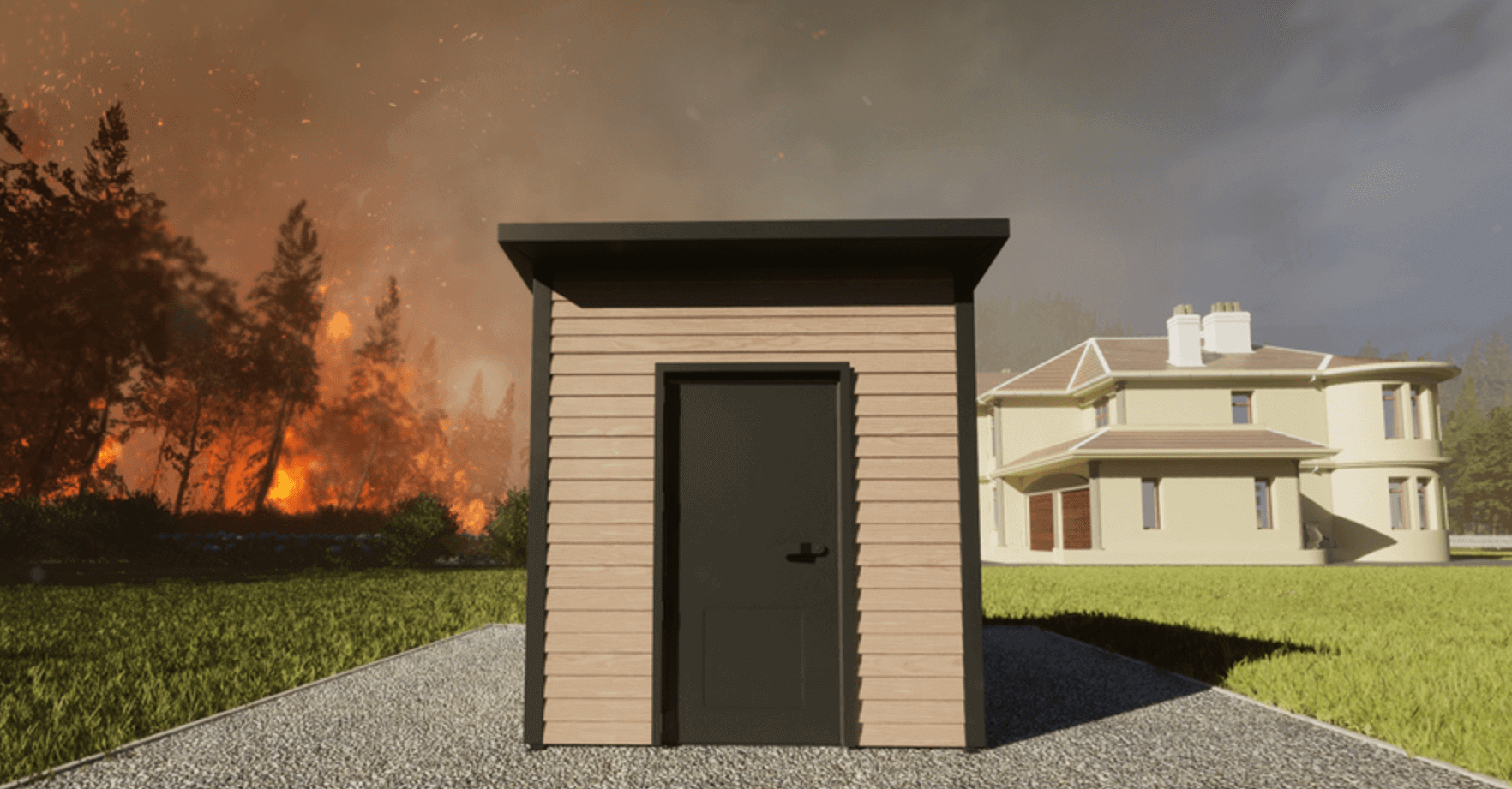
Where a FORT® Fits in Wildfire Planning
Fireproof safes are designed to store paperwork under limited conditions, but they are not built to protect people—or to reliably preserve valuable assets—during a wildfire. Wildfire planning requires a broader approach that accounts for prolonged heat, smoke, embers, and the possibility that conditions can change faster than evacuation plans alone can accommodate.
A FORT® is designed to play an active role within a comprehensive wildfire preparedness strategy, working alongside evacuation planning, defensible space, and home hardening. Because it is installed on-site and accessible at all times, a FORT® allows families to plan ahead rather than react under pressure—creating a protected space for both occupants and critical assets when wildfire conditions escalate.
Unlike consumer safes, a FORT® is:
- Designed for human occupancy and extended sheltering
- Engineered and tested for prolonged, high-intensity wildfire exposure
- Equipped with breathable air, temperature management, and communication systems
- Built to remain functional during wildfire burnover conditions
As part of a proactive plan, a FORT® can be stocked in advance with essential documents, irreplaceable items, and large or difficult-to-transport valuables that cannot be evacuated safely. This approach reduces reliance on assumptions about what might survive inside a home and helps ensure that both people and priorities are protected in one intentional location.
A FORT® is not a substitute for evacuation. Evacuating early and following official guidance should always be the first course of action. Within a layered wildfire plan, however, a FORT® provides an added measure of resilience—supporting safety and continuity when wildfire behavior exceeds what traditional storage products and plans are designed to handle.
Key Takeaways
- “Fireproof” safes are fire-resistant for limited test conditions, not wildfire-proof.
- Real wildfires routinely exceed consumer safe ratings in duration, heat, and structural impact.
- Safes may help organize documents under narrow scenarios, but they are not designed to protect people or preserve valuables during wildfire burnovers.
- Fireproof bags offer evacuation convenience, not meaningful thermal protection in fires.
- No safe or bag should ever influence evacuation timing or decision-making.
- Purpose-built wildfire refuges like the FORT® exist because traditional safes and storage products fail when exposed to real wildfire conditions—providing protection for both occupants and critical assets in last-resort situations.
Frequently Asked Questions
Do fireproof safes actually survive house fires?
Some fireproof safes may perform as intended in short-duration, localized house fires, particularly when exposure stays within their tested limits. However, even in structure fires, survivability is not guaranteed—especially when fires burn longer than expected or when structural collapse occurs. In wildfire scenarios, conditions frequently exceed what consumer safes are designed to handle, which is why safes should not be relied on as primary protection.
How long does a fireproof safe protect documents?
A fireproof safe protects documents only for the specific time and temperature it is rated for, under controlled test conditions. Once those limits are exceeded, internal temperatures can continue rising. Wildfires often involve prolonged heat exposure that far surpasses consumer safe ratings, which is why comprehensive wildfire planning looks beyond safes alone.
Do fireproof bags work in wildfires?
Fireproof bags are useful for organizing important documents so they can be quickly grabbed during evacuation, but they provide minimal thermal protection. They should never be relied on to protect documents or valuables during a wildfire. As part of a broader plan, bags can support evacuation readiness, while more robust on-property solutions address protection during extreme conditions.
What is the best fireproof safe for wildfire protection?
There is no consumer fireproof safe designed to reliably withstand wildfire burnover conditions. For properties in wildfire-prone areas, effective planning involves layered strategies—early evacuation, defensible space, and purpose-built on-property protection designed for prolonged wildfire exposure, such as a FORT®.
Should a fireproof safe be bolted down?
Anchoring a safe can improve theft resistance and prevent tipping during everyday use, and it may help in minor fire scenarios. However, anchoring does not ensure survivability in a wildfire, where structural collapse, debris impact, and sustained heat exposure often overwhelm consumer safes regardless of placement.
If safes fail in wildfires, why use one at all?
Safes still serve a role in everyday life: organizing important paperwork, storing documents under normal conditions, and reducing minor fire or water risks. In wildfire-prone areas, they are best viewed as one small administrative tool within a larger preparedness strategy. For protecting people and critical assets when wildfire conditions escalate, planning must include solutions designed specifically for those environments, such as integrating a FORT® into the overall wildfire plan.
Final Thoughts
Fireproof safes are often misunderstood. In real wildfire conditions, they frequently fail—not because they are defective, but because they were never designed to perform in prolonged, high-intensity fire environments. Recognizing that limitation is an important part of responsible wildfire planning.
Preparedness works best when expectations match reality. Safes can help organize important documents and reduce minor risks under everyday conditions, but they should be paired with off-site backups, early evacuation planning, and a clear understanding of how wildfire behavior differs from typical structure fires. No single product replaces thoughtful preparation or timely decision-making.
For properties in wildfire-prone areas, comprehensive planning means layering protection. Alongside defensible space, home hardening, and evacuation readiness, purpose-built on-property solutions like the FORT® provide an added level of resilience—designed to protect both people and critical assets when wildfire conditions exceed what consumer fire products are built to handle. Used as part of a broader strategy, the FORT® supports continuity, safety, and preparedness when it matters most.