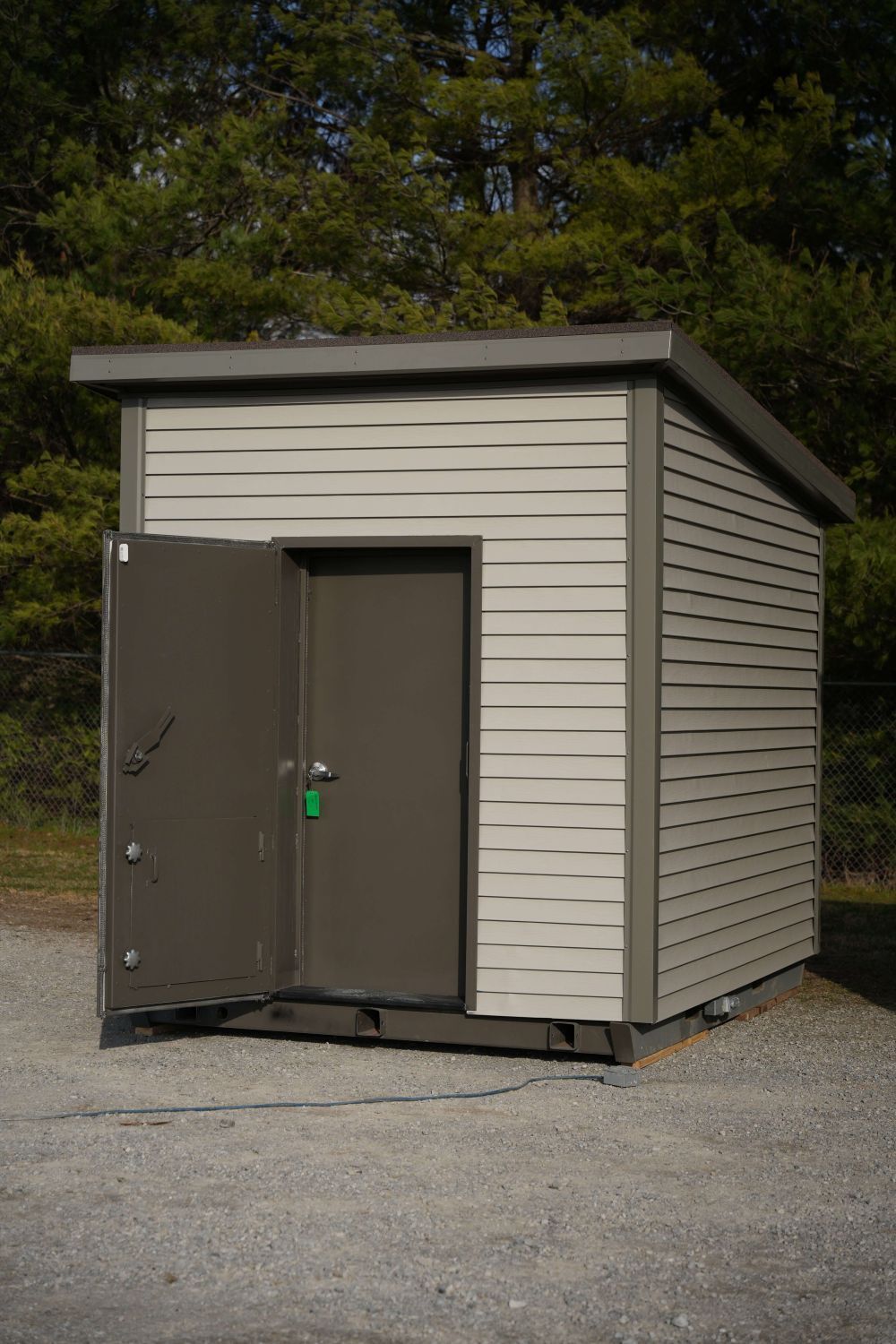
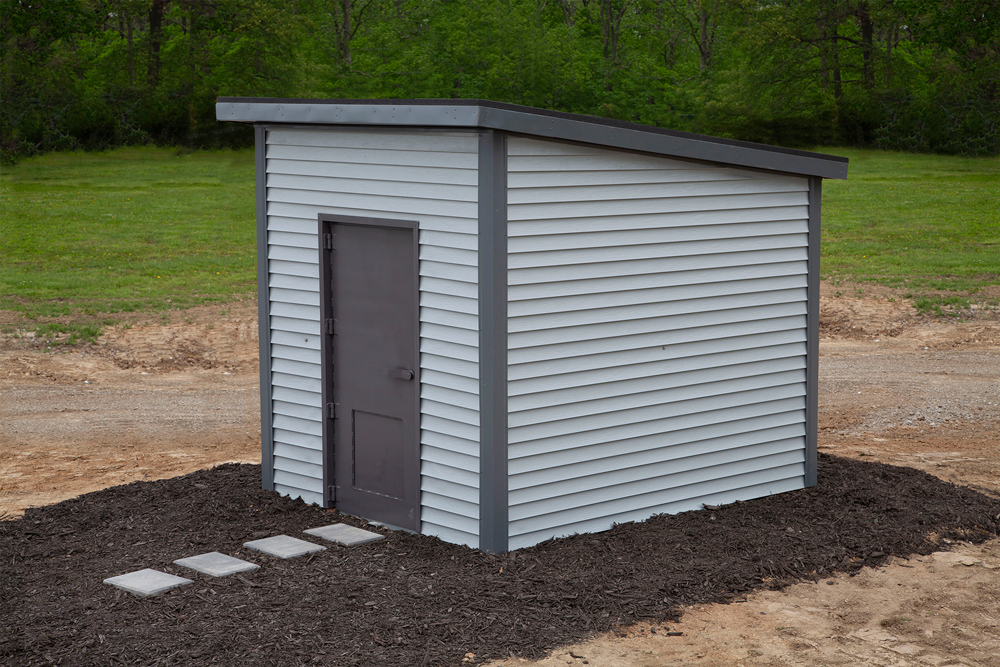
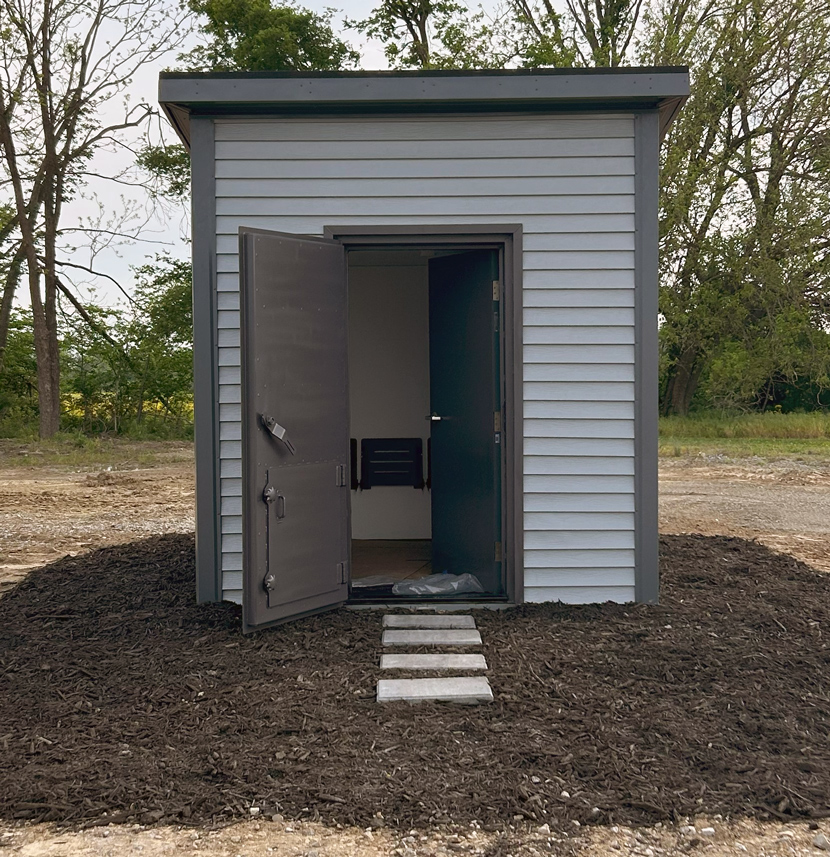
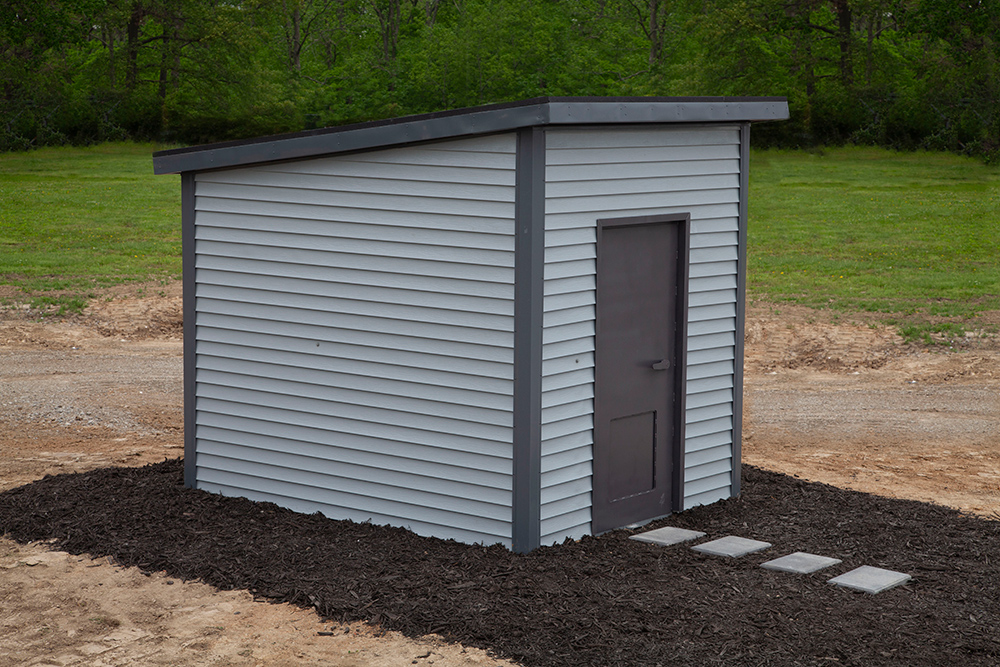
The FORT™ Wildfire Bunker

Built for modern wildfire preparedness, the FORT™ is a professionally engineered wildfire shelter that integrates advanced construction, breathable air systems, and communication technology to help protect people and property in wildfire-prone areas.

A Smarter Approach to Wildfire Protection

Wildfire safety is not a single decision—it’s a system. From defensible space and home hardening to evacuation planning, effective protection comes from layering multiple strategies together.

The FORT is designed to be one part of that system.

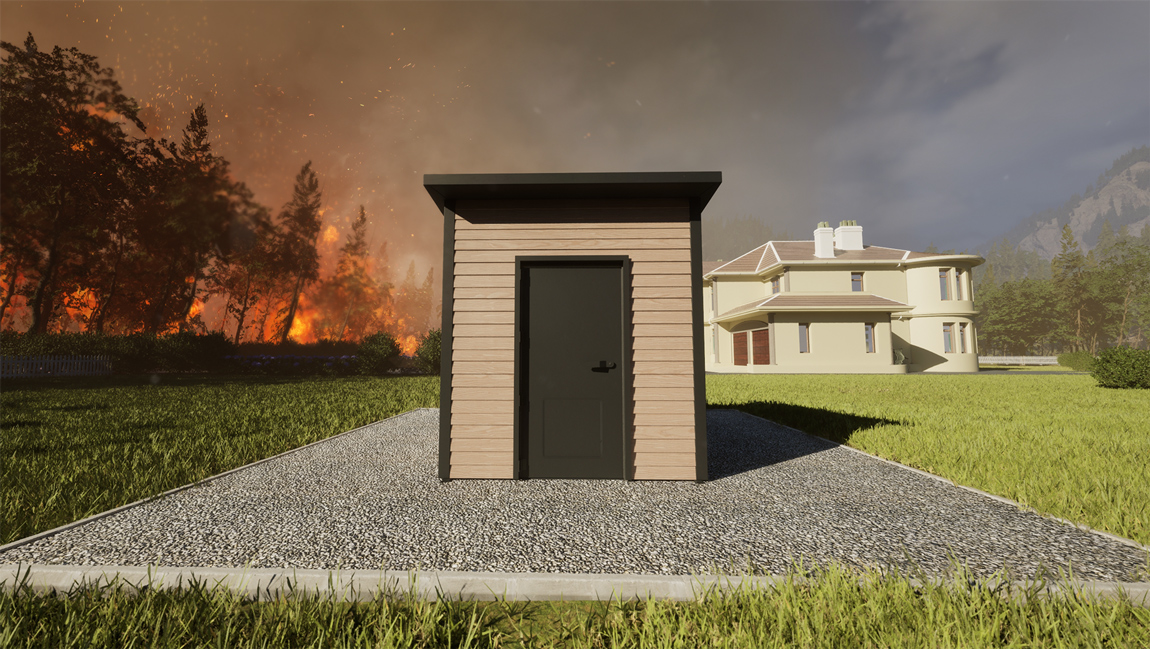
It provides a protected, fire-resistant space on your property that can support safety, continuity, and peace of mind in a variety of wildfire scenarios.

What Is the FORT?

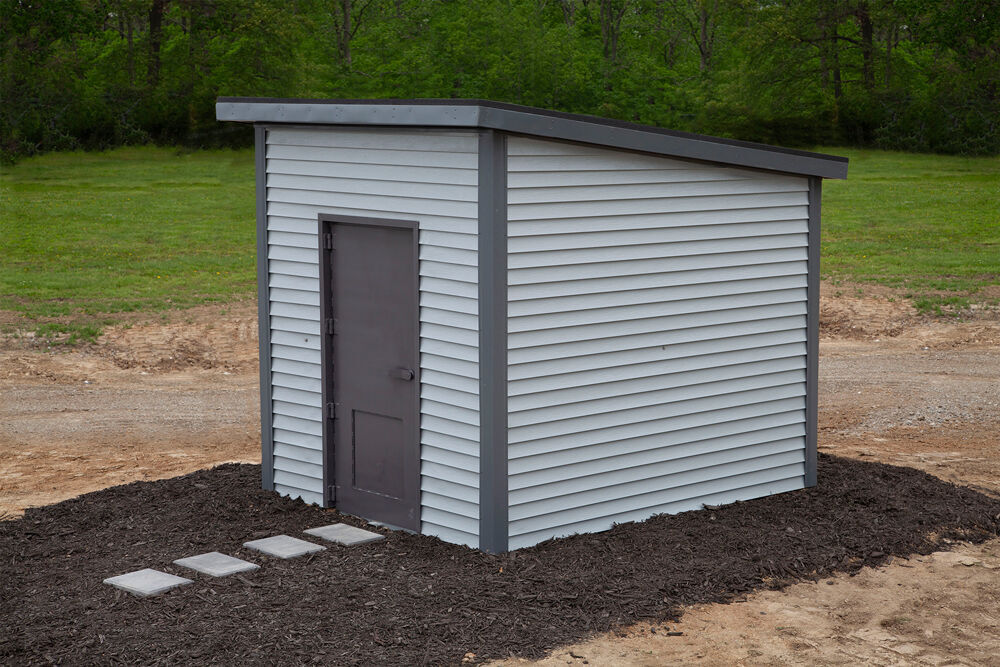
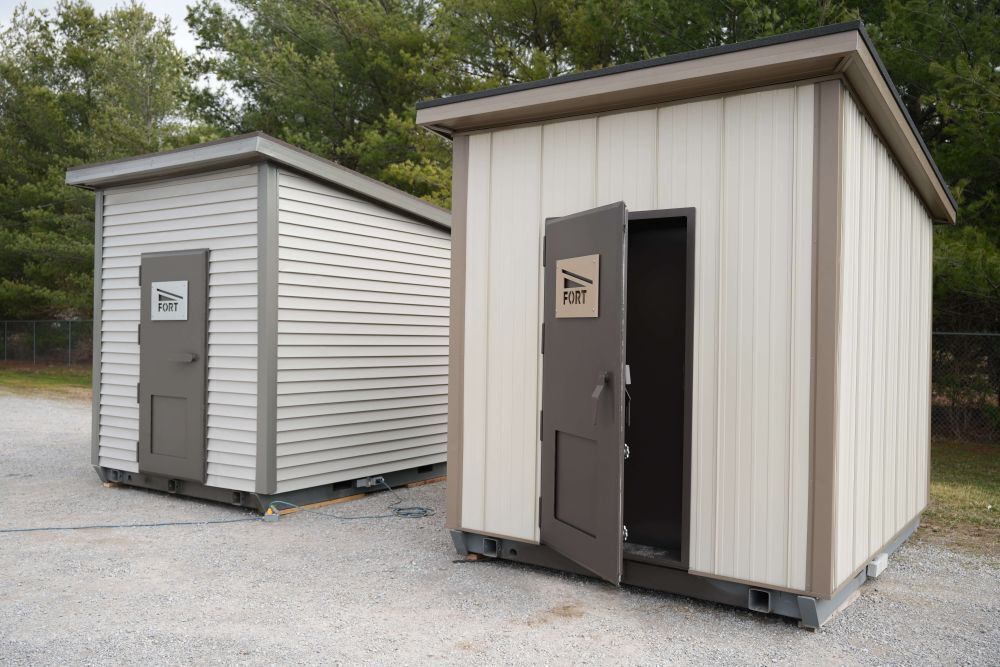
The FORT is a purpose-built wildfire bunker designed for residential or commercial properties in fire-prone areas. Unlike improvised or temporary fire shelters, it is engineered an on-site structure with integrated life-support features.

It is designed to:

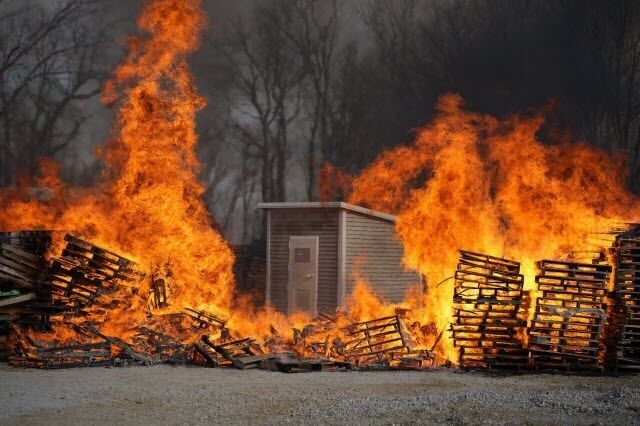
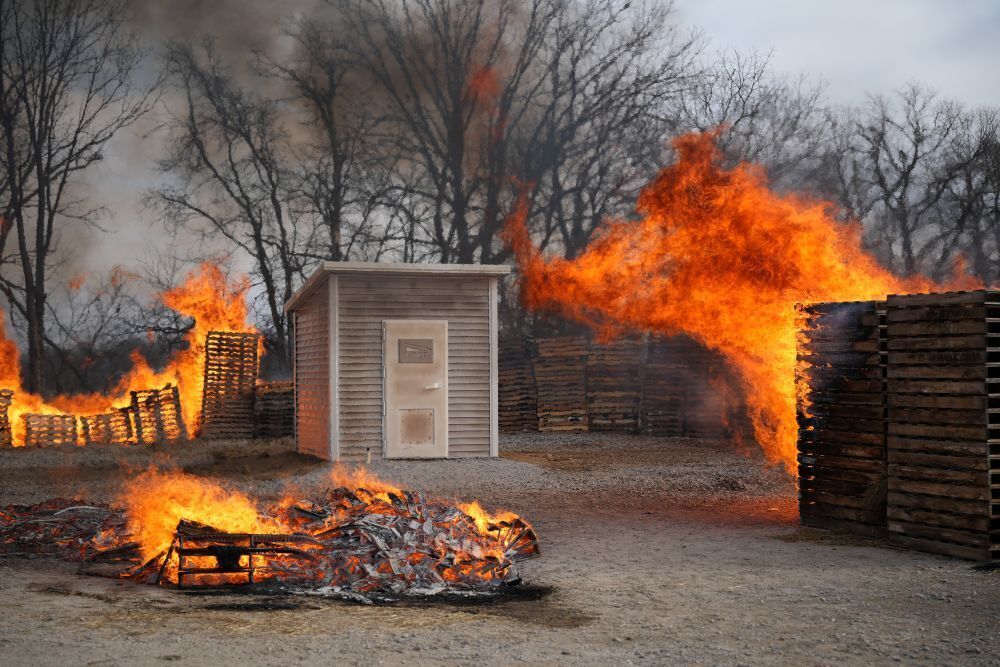
  • Withstand extreme heat, embers, and smoke exposure
  • Provide breathable air and safe interior conditions
  • Support communication during emergency situations
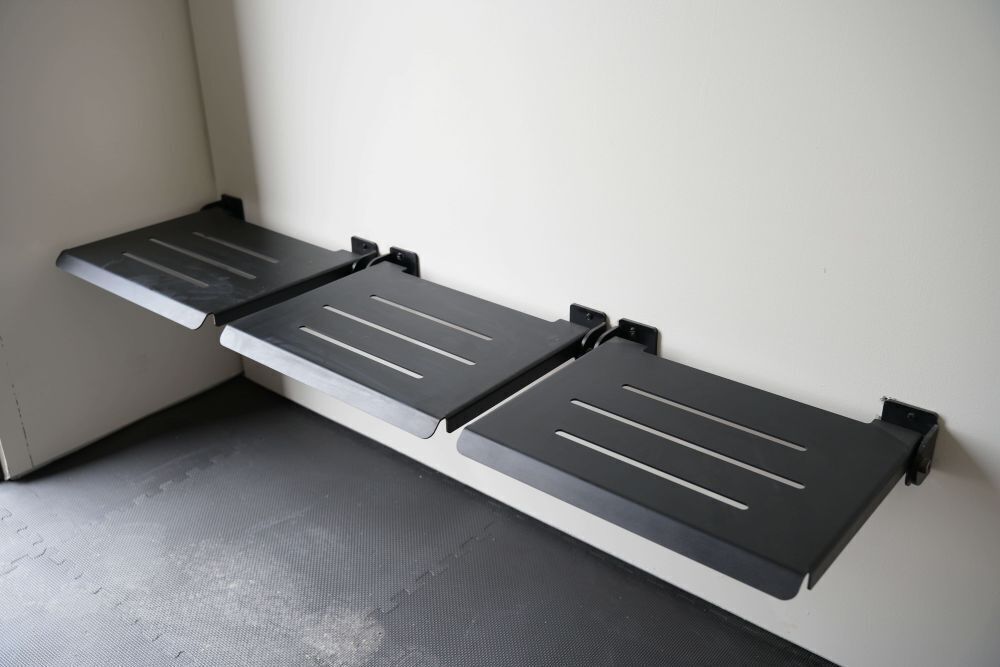
  • Offer a protected space for human occupants or valuables

Engineered for Wildfire Conditions

Fire-Resistant Construction

Built using advanced materials designed to withstand extreme temperatures and ember exposure.

Construction Technology

Breathable Air System

Integrated systems designed to maintain interior air quality during smoke events.

Safety & Testing

Communication Capabilities

Supports connectivity to help occupants stay informed and connected during emergencies.

How to Use The FORT

Onsite, Ready When Needed

Installed directly on your property for immediate accessibility.

Configure Your FORT

Who is the FORT Designed For?

The FORT is designed for individuals, families, and professionals who take a proactive approach to wildfire preparedness. Whether you are protecting your home, managing a property, or planning for long-term resilience, the FORT serves as a permanent wildfire shelter that supports a broader safety strategy

Homeowners in Wildfire-Prone Areas

Adds a meaningful layer of protection alongside defensible space and home hardening, with a dedicated wildfire shelter located directly on your property.
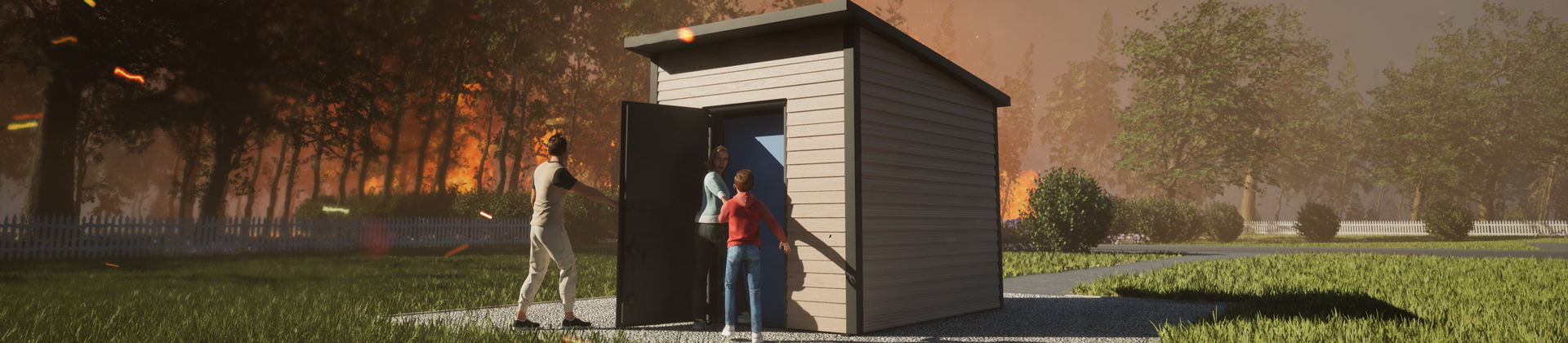
Families Focused on Preparedness

Supports a more complete safety plan by providing a protected, controlled space that can help with planning, communication, and peace of mind.

Properties with Limited Evacuation Access

For properties in remote areas or locations with limited evacuation routes, wildfire planning can be more complex. A permanent, on-site option adds flexibility to your overall safety approach.

High-Value & Remote Properties

Helps protect occupants while also offering a secure space for valuables or assets that may be difficult to evacuate quickly.

Estate Managers & Property Professionals

Supports broader risk management efforts by helping address staff safety, operational continuity, and property-level preparedness.

Architects, Builders & Forward-Thinking Planners

Provides a wildfire shelter solution that can be thoughtfully integrated into long-term property planning and resilience-focused design.

See the FORT

Proven Safety Engineering

Engineered from Decades of Experience

The FORT is a residential wildfire shelter grounded in decades of real-world refuge engineering. Developed by innovators behind global safety technologies, it brings proven life-support design into wildfire environments.

A Foundation in Refuge Chamber Technology

Wildfire Safety Systems was established by innovators from Strata Products Worldwide, a global leader in underground refuge and safety technology. For decades, their systems have been used in mining and tunneling environments—where life-support performance is critical in high-risk conditions.

Engineered Life-Support Systems

The internal air system is designed to maintain breathable conditions within the wildfire shelter. It reflects the same life-support principles used in refuge chambers, adapted to support occupants during wildfire scenarios.

Informed by Established Safety Standards

Design and testing are informed by recognized safety frameworks, including standards from the National Institute for Occupational Safety and Health (NIOSH) and the Mining Safety and Health Administration (MSHA), adapted for residential wildfire applications.
home wildfire bunker

Step inside the FORT with a Virtual Tour

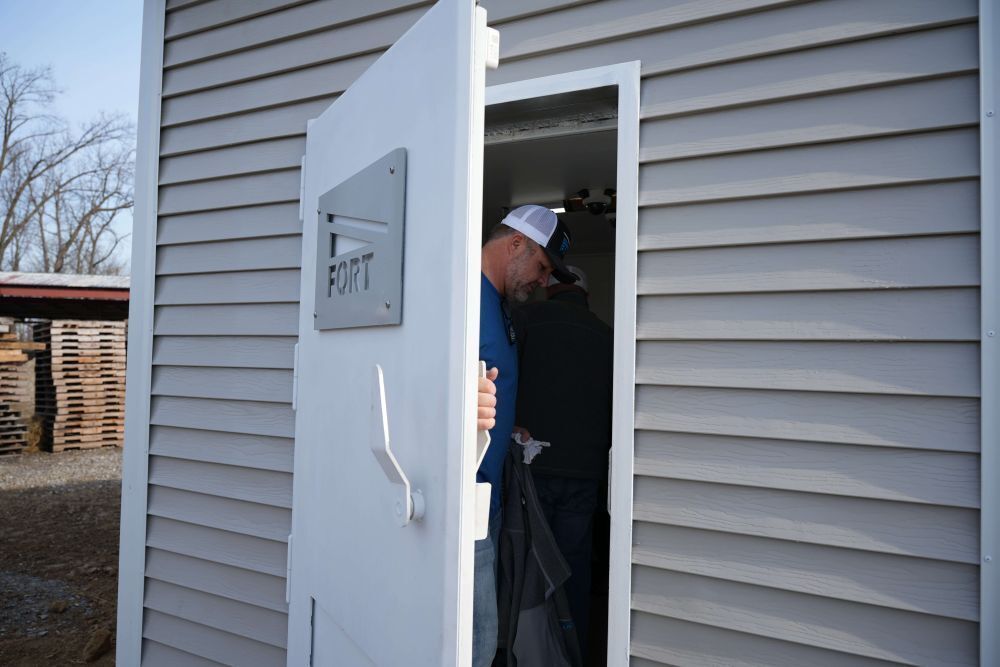
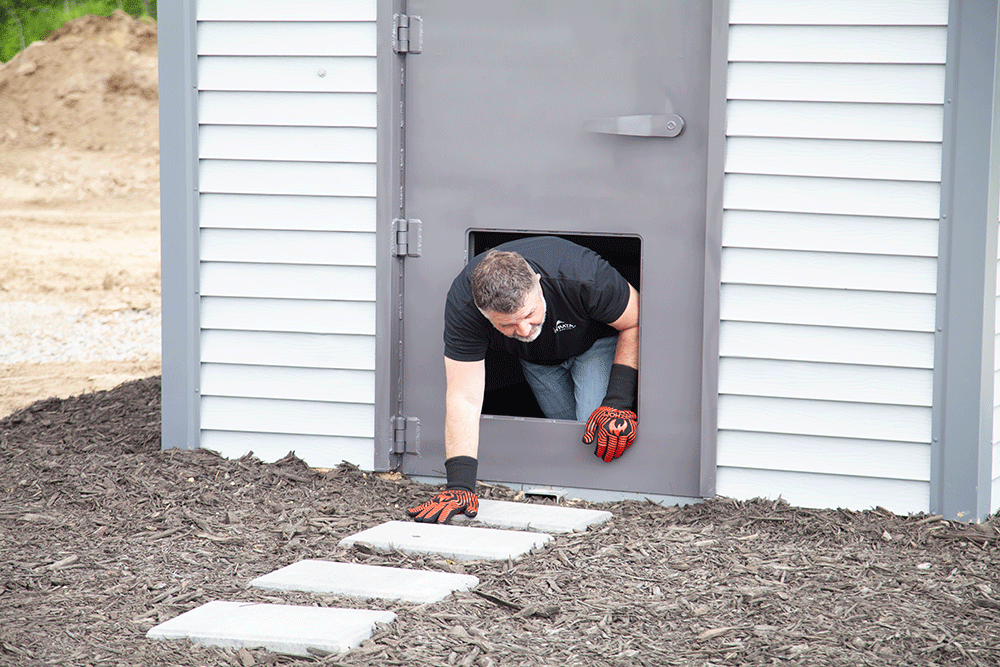
Explore the FORT through a guided virtual tour and explore the systems designed to support you during a wildfire emergency. From compressed air cylinders providing hours of breathable air to a reinforced steel door system engineered for extreme conditions, every element is purpose-built for safety.

Take the Tour

Endorsed by Mike Wilson, California Fire Service (Retired)

"I have responded to wildfires in California for 33 years (1987-2020). I have seen fires change from “normal” wildfires to climate change-driven, extremely destructive, and community-replacing wildfires. I have also helped develop the post-fire damage inspection process.

Just like when a tornado comes people need a safe place to shelter if they are not able to escape in time. The FORT is an option to provide that life protection as a last resort."

-Mike Wilson, Retired Division Chief for the California Department of Forestry and Fire Protection.

FORT FAQs

Get quick answers to common questions about wildfire bunkers, fire shelters, and how the FORT fits into your preparedness plan.

The terms wildfire bunker and fire shelter are often used interchangeably, but they don’t always mean the same thing.

A fire shelter is a term most commonly used in the context of wildland firefighting. These are typically lightweight, portable shelters carried by firefighters and deployed in emergency situations to reflect radiant heat and protect against direct flame exposure. They are designed for short-term survival in extreme conditions. They are not for residential use or extended occupancy.

A wildfire bunker, on the other hand, generally refers to a more permanent, purpose-built structure installed on a property. These systems are engineered to provide a higher level of protection, often incorporating fire-resistant construction, breathable air systems, and space for occupants to remain safely inside for a defined period of time.

In practice, there is still a lot of ambiguity in how these terms are used. Some products marketed as “fire shelters” vary widely in design, performance, and intended use. The FORT is best understood as a purpose-built wildfire shelter system that combines the structural resilience of a wildfire bunker with integrated life-support features designed specifically for residential or property-level wildfire preparedness.

The FORT is a purpose-built wildfire refuge designed for residential and property-level use in fire-prone areas. It is a permanent, fire-resistant structure engineered with advanced refuge chamber technology, including an integrated breathable air system and communication capabilities.

Built and tested for real-world wildfire conditions, the FORT is designed to support safety as part of a broader wildfire preparedness strategy.

A fire shelter for homes is a structure designed to provide protection from heat, embers, and smoke during a wildfire. Unlike firefighter fire shelters (which are portable and intended for short-term emergency use) residential fire shelters are typically fixed, on-site systems built to support occupants in a more controlled environment.

These structures can vary widely in design and performance. More advanced systems are engineered with fire-resistant construction, breathable air systems, and features that support safety during wildfire conditions.

The FORT is an example of a purpose-built residential wildfire shelter, designed to integrate these elements into a permanent, property-level solution.

Wildfire bunkers can be effective when they are properly engineered, tested, and used as part of a broader wildfire safety strategy.

Their ability to perform depends on several factors, including construction quality, heat resistance, air supply, and how well the system is designed to manage smoke and extreme temperatures. Not all wildfire shelters are built to the same standards, which is why performance can vary significantly between solutions.

Purpose-built systems like the FORT are designed with these conditions in mind. They incorporate fire-resistant materials, integrated air systems, and testing informed by established safety standards to help support occupant safety during wildfire events.

Like any safety measure, they are most effective when combined with other preparedness steps such as defensible space, home hardening, and evacuation planning.

Wildfire shelters can be safe when they are designed for the conditions they’re intended to handle and used appropriately within a wildfire preparedness plan.

There is a wide range of products described as “fire shelters,” and safety can vary significantly depending on how they are engineered. Key considerations include structural integrity, protection from heat and embers, and the ability to maintain breathable air during a wildfire event.

Systems like the FORT are designed specifically for residential wildfire scenarios, with integrated features that support occupant safety in a controlled environment. As with any safety measure, a wildfire shelter should be considered one part of a broader strategy that includes defensible space, home hardening, and evacuation planning.

Yes. Evacuation is always the safest and preferred response to a wildfire. Leaving early before conditions worsen is consistently recommended by fire officials and emergency services.

However, evacuation is not always possible. Fast-moving fires, limited visibility, road congestion, or blocked routes can create situations where staying on the property becomes the only viable option.

A purpose-built wildfire bunker can provide a protected environment in those scenarios, helping support safety when conditions outside are no longer survivable. Systems like the FORT are designed with this reality in mind, while still fitting into a broader preparedness strategy that prioritizes evacuation whenever it can be done safely.

A fire shelter should be used based on your overall wildfire plan and the conditions on your property.

In most cases, evacuation is the safest response. However, wildfire conditions can change quickly. Smoke, heat, reduced visibility, or limited access routes can make it difficult to leave safely. In those situations, having a pre-identified, protected space on your property can be an important part of your plan.

The FORT is designed to be available when needed, providing a controlled environment that can support safety during changing conditions.

The most effective approach is to plan ahead: understand your evacuation options, monitor local guidance, and determine how a shelter fits into your broader wildfire preparedness strategy.

A home fire shelter is designed to create a controlled, protected environment during wildfire conditions.

As a wildfire approaches, the shelter’s fire-resistant structure helps limit exposure to radiant heat, embers, and smoke. Once inside, sealed construction and specialized materials help maintain safer interior conditions compared to the outside environment.

More advanced systems like the FORT include integrated features such as breathable air supply, temperature management, and communication capabilities. These components work together to support occupants while conditions outside are at their most intense. The FORT is engineered to function as part of a broader wildfire preparedness plan, providing a dedicated space on your property that is ready when needed.

Yes—wildfire bunkers can be installed on residential properties, though the specifics will depend on local regulations, site conditions, and the type of system being used.

Systems like the FORT are designed for on-site installation as a permanent structure. Placement is typically planned with consideration for defensible space, accessibility, and overall property layout.

Before installation, it’s important to review local zoning, permitting, and building requirements, which can vary by region. A qualified team can help evaluate your property and determine the best approach. When properly planned, a residential wildfire shelter can be integrated into your property as part of a broader wildfire preparedness strategy.

You can reserve a FORT online with a refundable deposit to secure a place in the production schedule. A Wildfire Safety Systems representative will then contact you to discuss configuration options, site considerations, and delivery timing.

Explore Wildfire Safety Resources

View All
wildfire requiring a last resort wildfire bunker

Ready to take the next step?

Design a FORT that fits your property and protection needs.

Configure Your FORT

Our website uses cookies

By continuing to browse the site, you are agreeing to our use of cookies.