Table of Contents
- Survival Shelter Types
- Safety Fundamentals: Structure, Ventilation, Egress
- Testing & Standards: What Applies to Residential Shelters
- Above vs Underground Shelters
- Best Survival Shelter Criteria for Homeowners
- DIY Survival Shelter Risks vs Certified Units
- Buyer Notes: Survival Shelter for Sale Checklist
- Evaluating the FORT as a Wildfire Shelter Option
- FAQs
- Final Thoughts
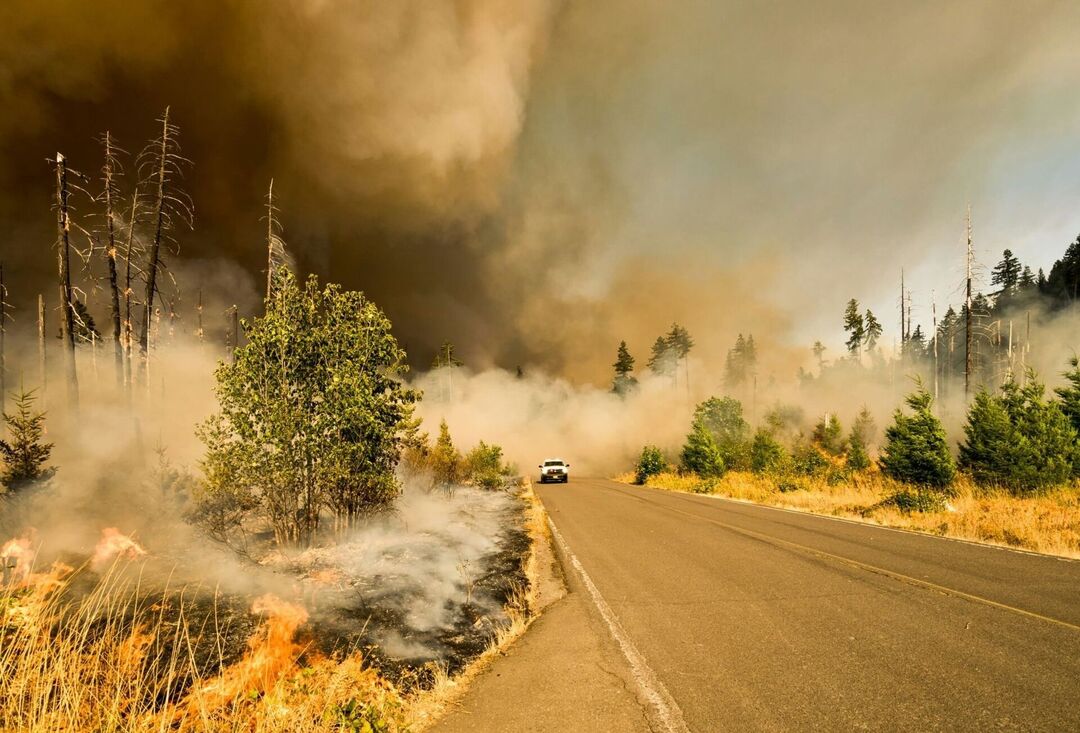
A survival shelter can mean very different things depending on the risk you’re preparing for. Some are built for tornadoes, others for security, and some are designed specifically for wildfire exposure. That range of use cases creates confusion for homeowners trying to make practical decisions—especially when many products are marketed with broad claims that don’t always reflect how they perform under real conditions.
This guide explains the major types of survival shelters, how they are designed and tested, and what to look for before buying or building one. It focuses on practical decision-making so you can understand where a shelter fits into a broader preparedness plan.
Evacuation remains the safest option whenever it is possible and recommended by local authorities. A survival shelter is meant to support planning—not replace the decision to leave early when conditions allow.
In Short
A survival shelter is not a one-size-fits-all solution. Different types are designed for different hazards, and understanding those differences is key to making a smart decision. The most important factors to evaluate are how the shelter is built, how it manages air, and whether it has been tested under realistic conditions.
For most homeowners, the goal isn’t to find the “best” shelter overall, it’s to find one that fits their specific risks and works as part of a broader plan. That plan should always prioritize evacuation, supported by defensible space, home hardening, and clear preparation steps. A survival shelter, like the FORT, can add another layer of protection, but it should be approached with clear expectations about how and when it would be used.
Survival Shelter Types
The term “survival shelter” is often used broadly, but it actually refers to several very different types of structures. Each is designed for a specific hazard, and they are not interchangeable.
A shelter built for wind and debris, for example, is not designed to handle heat and smoke. Understanding these differences is the first step in choosing an option that aligns with your risk and your overall plan.
| Shelter Type | Primary Purpose | What It’s Designed For | Key Strength | Limitations to Understand |
|---|---|---|---|---|
| Storm Shelter (Safe Room) | Short-term protection during severe weather | Extreme wind, flying debris (tornadoes, hurricanes) | High structural strength and impact resistance | Not designed for fire or smoke exposure |
| Security Safe Room | Protection from human threats | Forced entry, home invasion scenarios | Reinforced doors, controlled access, communication systems | No protection from environmental hazards |
| Underground Bunker | Multi-purpose survival or extended sheltering | Varies by design (general emergencies, long-term use) | Natural insulation and potential for extended occupancy systems | Performance varies widely based on design and site conditions |
| Wildfire Survival Shelter | Protection during wildfire exposure | Radiant heat, flame contact, smoke and gas intrusion | Heat-resistant construction, sealed structure, managed air systems | Designed for defined duration and requires proper planning |
For homeowners, the most important takeaway is that the right shelter depends entirely on the hazard you are preparing for. Comparing options without that context can lead to decisions that do not hold up under real conditions.
Safety Fundamentals: Structure, Ventilation, Egress
At a basic level, every survival shelter relies on three core systems
- structure
- air management
- egress
Each plays a critical role in determining how the shelter performs under stress.
Structural integrity is often the most visible feature, but it is not just about strength. The structure must be designed for the specific hazard it will face. Wind shelters must resist impact and pressure changes, while wildfire shelters must withstand sustained heat exposure. Weak points—such as doors, seams, and ventilation openings—can determine overall performance.
Ventilation and air management are equally important but less visible. In enclosed environments, air quality can deteriorate quickly without proper systems in place. This becomes especially critical in wildfire conditions, where smoke contains harmful particulates and gases. Effective shelters use filtration, controlled airflow, and sealing strategies to maintain breathable conditions for a limited period.
Egress is another essential factor. In real-world scenarios, exits can become blocked by debris or structural damage. A well-designed shelter ensures clear access and, in some cases, secondary exit options, while also remaining easy to reach during an emergency.
Testing & Standards: What Applies to Residential Shelters
One of the biggest challenges for homeowners evaluating survival shelters is the lack of universal standards across all types. While storm shelters benefit from established guidelines, other categories—particularly wildfire shelters—operate in a more fragmented testing environment. This makes it important to look beyond general claims and understand how a shelter has actually been evaluated.
For storm protection, recognized frameworks provide clearer benchmarks for performance. These standards focus on structural integrity under extreme wind and impact conditions and are widely referenced in residential construction.
Established standards for certain shelter types include:
- FEMA P-361 — guidelines for safe rooms designed to protect against extreme wind events
- ICC 500 — construction and performance criteria for storm shelters
Wildfire shelters, however, do not fall under a single widely adopted residential code. Instead, evaluation tends to focus on specific performance factors tied to fire conditions rather than wind or impact.
Wildfire-related testing may include:
- Heat exposure and radiant heat resistance
- Flame contact performance under controlled conditions
- Air system functionality in smoke-filled environments
- Sealing effectiveness against particulate and gas intrusion
Because these tests can vary by manufacturer, the details matter. Homeowners should look for clear documentation that explains how testing was conducted and what conditions were simulated. For a deeper look at how wildfire shelters are evaluated and what real-world performance data shows, see our Fire Shelter Effectiveness guide.
When comparing shelters, it helps to ask for:
- Detailed test reports or summaries
- Third-party validation or independent review
- Defined performance limits and duration thresholds
The absence of a universal standard makes due diligence especially important. A shelter that clearly communicates how it has been tested—and where its limits are—provides a more reliable basis for decision-making.
Above vs Underground Shelters
Choosing between an above-ground and underground shelter is one of the most important decisions homeowners will make. While underground shelters may seem like the more protective option at first, they can introduce challenges that matter in real emergency conditions, including access, drainage, visibility, maintenance, and ease of use.
For many homeowners, an above-ground shelter can offer a more practical and accessible solution. It can be easier to reach quickly, easier to inspect, and simpler to integrate into an overall wildfire safety plan. When a shelter is designed specifically for wildfire exposure, above-ground placement can support fast access while still relying on engineered materials, sealed construction, and air management systems to help protect occupants during a defined period of use.
| Shelter Type | Potential Advantages | Considerations | Best Fit |
|---|---|---|---|
| Above-Ground Shelter | Easier to access quickly, simpler to inspect and maintain, avoids many excavation and drainage concerns, and can be positioned intentionally as part of a property-wide safety plan. | Must be specifically engineered for the hazard it is intended to address. For wildfire exposure, this means heat-resistant construction, sealed systems, and managed breathable air. | Homeowners who need a visible, accessible shelter option that can be integrated into evacuation planning, property preparation, and ongoing maintenance routines. |
| Underground Shelter | May benefit from natural insulation and reduced direct exposure depending on design and site conditions. | Can create more complex installation requirements, including excavation, drainage, water intrusion prevention, ventilation, code considerations, and emergency access concerns. | Properties where soil, drainage, access, and installation conditions are suitable, and where the shelter has been professionally engineered for the intended hazard. |
The key point is that “underground” does not automatically mean safer. A poorly designed underground shelter can create serious risks, especially if water intrusion, ventilation, access, or egress are not properly addressed. For wildfire planning, accessibility is especially important because conditions can change quickly and evacuation routes may become blocked with little warning.
An above-ground wildfire shelter that is purpose-built for heat exposure, smoke protection, and controlled air supply can provide a more practical option for many residential properties. Rather than focusing only on whether a shelter is above or below ground, homeowners should evaluate whether it is engineered, tested, accessible, and maintained for the specific emergency it is meant to address.
Best Survival Shelter Criteria for Homeowners
The phrase “best survival shelter” is often used in search queries, but in practice, the best option depends on how well a shelter aligns with your specific risks and overall preparedness plan.
Key criteria to consider include:
- Hazard-specific design - The shelter should be built for the specific threat you are planning for.
- Verified performance - Look for testing, engineering documentation, or validated results.
- Air system capability - Enclosed shelters must maintain breathable air for a defined period.
- Ease of access - The shelter should be easy to reach quickly during an emergency.
- Integration into a broader plan - It should complement evacuation planning, defensible space, and home hardening.
A well-matched shelter, supported by testing and integrated into a clear plan, is more valuable than one chosen based on broad claims alone.
DIY Survival Shelter Risks vs Certified Units
Building a DIY survival shelter can seem like a practical way to improve preparedness, especially for organizing supplies or reinforcing a space in the home. However, these structures are not the same as tested shelters designed for extreme conditions. Many of the most important performance factors are not visible. Seams, vents, doors, and seals can determine whether smoke, heat, or moisture enters the space. In wildfire scenarios, even small gaps can reduce effectiveness, while issues like poor drainage or improper anchoring can create additional risks in other types of shelters.
Air management is another key limitation. A survival shelter needs to maintain breathable air, which requires more than basic ventilation. Without tested systems in place, it is difficult to predict how long a space will remain usable. DIY approaches can still support preparedness for storage or short-term use, but for higher-risk scenarios, professionally designed and tested shelters provide a clearer understanding of performance and limitations.
Buyer Notes: Survival Shelter for Sale Checklist
When evaluating a survival shelter for sale, asking the right questions helps focus on performance rather than marketing language.
- What hazard is this shelter designed for?
- What testing has been completed?
- How does the air system function?
- What are the installation requirements?
- What limitations should be understood?
These questions should be paired with practical considerations such as accessibility, space, and maintenance. A well-chosen shelter should feel like part of a broader system, not a standalone solution.
Evaluating the FORT as a Wildfire Shelter Option
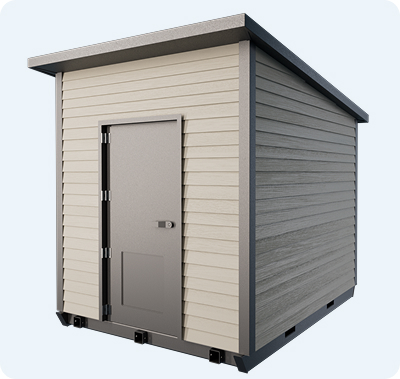
Within a well-structured preparedness plan, some homeowners incorporate the FORT as an additional on-site protection measure. Wildfire safety is most effective when it is approached in layers—defensible space, home hardening, and evacuation planning all work together to reduce risk and improve outcomes.
The FORT is designed specifically for wildfire conditions, integrating heat-resistant construction, sealed systems, and managed air supply to help maintain a controlled interior environment during periods of extreme exposure. When included as part of a broader plan, it can support both occupant protection and the safeguarding of essential items that may be difficult to relocate quickly.
Evacuation remains the priority whenever it is possible and recommended. Within that context, the FORT can serve as an additional layer of on-site protection when conditions become unpredictable or access changes rapidly, helping homeowners plan for a wider range of scenarios without relying on a single approach.
FAQs
What is the best survival shelter for homeowners?
There is no single “best” survival shelter for every homeowner. The right option depends on the specific hazard you are planning for and how the shelter fits into your overall safety plan.
For wildfire risk, that means choosing a shelter designed specifically for heat, smoke, and air management, not just structural strength. Key factors include tested performance, the ability to maintain breathable air, and quick, reliable access during an emergency.
This is where the FORT is a strong option. It is purpose-built for wildfire conditions, combining heat-resistant construction, sealed systems, and a managed air supply designed to support occupants during a defined exposure period.
As part of a broader plan that prioritizes evacuation, the FORT can provide an additional layer of on-site protection when conditions change quickly or escape is no longer possible.
Not necessarily. While underground shelters are often assumed to be safer, safety depends more on design, engineering, and real-world usability than whether a shelter is below or above ground.
Underground shelters can benefit from natural insulation, but they also introduce challenges such as water intrusion, complex installation, ventilation requirements, and more difficult access during an emergency. In fast-moving situations, especially wildfires, accessibility can be a critical factor.
Above-ground shelters are often easier to reach quickly, simpler to maintain, and more practical to integrate into a broader safety plan. When they are purpose-built for wildfire conditions, they can be engineered to withstand heat exposure while maintaining a controlled, breathable interior environment.
The FORT is an example of this approach. It is designed specifically for wildfire exposure, using heat-resistant construction, sealed systems, and a managed air supply to support occupants during a defined period. Its above-ground design allows for fast access while still relying on tested engineering to address the conditions that matter most in a wildfire.
Rather than focusing only on whether a shelter is underground or above ground, homeowners should evaluate how it is designed, how it performs, and how easily it can be used when it matters most.
Key Takeaways
- Survival shelters are designed for specific hazards—storm, security, and wildfire shelters are not interchangeable.
- Structural design, air management systems, and sealing all play a critical role in how a shelter performs under real-world conditions.
- Testing and documented performance data are often more important than general claims when evaluating a shelter.
- Above-ground and underground shelters each have tradeoffs, but accessibility, engineering, and real-world usability often make above-ground options more practical for residential wildfire planning.
- The most effective approach is a layered plan that includes risk reduction, evacuation readiness, and thoughtful integration of a shelter.
- A survival shelter should support a broader preparedness strategy—not act as a standalone solution.
Final Thoughts
A survival shelter can be a valuable addition to a preparedness plan when it is selected carefully and used with clear expectations. The most important step is understanding what the shelter is designed to do—and where its limitations are.
When combined with risk reduction measures and evacuation planning, a shelter becomes part of a layered approach that improves overall resilience. This perspective helps homeowners move beyond general claims and focus on decisions grounded in real-world performance and safety.