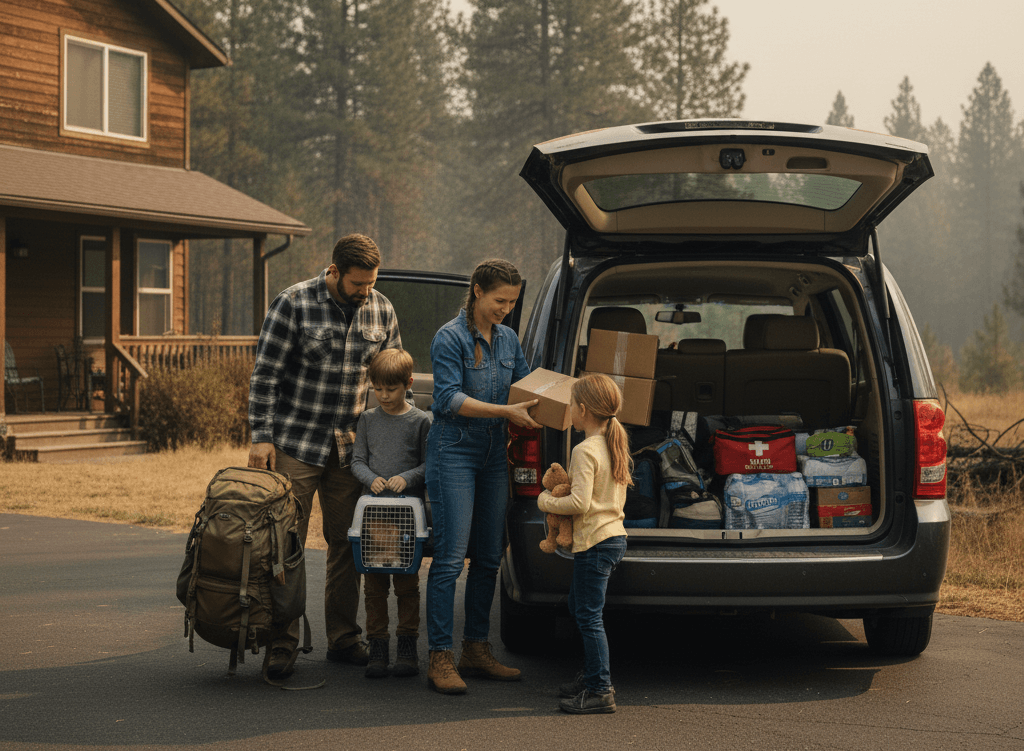
Wildfires don’t just threaten homes—they disrupt roads, power, air quality, and basic services across entire regions. That’s why a well-built emergency preparedness kit is less about “having stuff” and more about removing friction when it’s time to act. If you can grab essentials in seconds, keep devices charged, and protect your lungs from smoke, you’re more likely to evacuate early and recover faster.
This all-in-one guide explains what belongs in an emergency preparedness kit for wildfire season, how a home kit differs from a vehicle kit, and why go-bags should be separate and ready at the door. You’ll also learn how to protect documents, build an evacuation binder, and rotate supplies so nothing expires. Evacuation is always the safest option; the purpose of preparedness is to support early action, not to delay leaving.
In Short
An emergency preparedness kit works best when it’s built as a layered system that supports early evacuation and short-term disruption. Most households should plan for a stay-at-home kit, a vehicle kit, and a go-bag per person, with priority given to water, food, power, lighting, medications, first aid, sanitation, and protected documents. Wildfire-specific additions like N95 masks, eye protection, sturdy footwear, and natural-fiber clothing help reduce health risks during smoky, fast-moving conditions. Kits should be stored near exits, reviewed at least twice a year, and always paired with a clear evacuation plan. Preparedness supports leaving earlier and recovering more smoothly—it should never delay evacuation when conditions change.
Table of Contents
- What’s in an All-in-One Kit
- Go-Bag vs Stay-at-Home Supplies
- Water, Food, Power and Lighting
- Medications, First Aid and Sanitation
- Documents and Backups
- Family Communication Plan and Evac Binder
- Wildfire-Specific Add-Ons
- Storage, Rotation and Seasonal Updates
- Last-Resort Safety: How a FORT® Fits into Preparedness
- Key Takeaways, FAQs and Resource Links
- Conclusion
What’s in an All-in-One Emergency Preparedness Kit
An all-in-one emergency preparedness kit is not a single bag you throw together once. It’s a practical system that covers two realities of wildfire season: (1) emergencies that create disruptions for days, and (2) fast-moving evacuations where you may have minutes to leave. A complete setup usually includes a home kit for multi-day needs, a smaller vehicle kit for travel and detours, and a go-bag per person that’s ready by the door.
Wildfire guidance from sources like Ready for Wildfire encourages residents to prepare supplies in advance so they can respond early. Local emergency programs also reinforce that kit-building should plan for extended disruptions and reduced access to stores, gas, or charging. The most useful kits share one key feature: they are accessible and organized, not “perfect.”
Start by thinking in categories, not products. Your kit should reliably cover:
- Health and safety: medications, first aid, masks, hygiene items
- Communication: charged devices, backup power, a radio
- Sustenance: water, shelf-stable food, basic utensils
- Mobility: footwear, clothing, comfort layers for long evacuations
- Identity and recovery: documents, backups, insurance information
Then assign each category to the right “layer.” For example, bulky water and extra food belong in a home kit, while high-impact essentials like medications, IDs, chargers, and masks belong in go-bags. Your vehicle kit should fill the gap between the two: it’s the backup layer when roads are clogged, the air is smoky, or you’re stuck waiting for updates away from home.
If you have a larger property or multiple structures, consider duplicating critical items so each building has its own grab point. For estate managers, it’s often helpful to keep a separate kit for staff or contractors who may be onsite when conditions shift.
.png)
Go-Bag vs Stay-at-Home Supplies
A go-bag and a stay-at-home emergency kit are both important, but they solve different problems. A go-bag is designed for immediate evacuation—light, portable, and staged at the exit. A stay-at-home kit supports extended disruption, including power outages, poor air quality, and delayed re-entry after evacuation. When you mix the two, people often waste time “finishing packing” instead of leaving early.
Evacuation guidance from the U.S. Fire Administration reinforces that wildfire conditions can change quickly, and evacuation timelines can compress. That is exactly why go-bags should already be packed and ready. Your goal is to reduce decision-making to a few steps: grab the bag, load the car, leave.
Use this simple split:
- Go-bag: items you cannot replace quickly and need during the first 24–72 hours
- Home kit: extra supplies and redundancy for several days of disruption
- Vehicle kit: safety, comfort, and support for longer travel times and detours
To keep your go-bags tight and functional, build them from a checklist and test-carry them once. If it’s too heavy, reduce duplicates and keep only high-impact items. For a dedicated packing list, see Go Bag Checklist.
One practical test: imagine an evacuation order arrives at night. Could every household member find their bag, shoes, and keys within 60 seconds? If not, adjust storage locations now—before fire season peaks.
What to Pack in Your Go Bag
Water, Food, Power and Lighting
Water, food, power, and lighting keep a stressful situation from turning into a medical or safety emergency. Wildfires often trigger preventive power shutoffs, damaged lines, road closures, and limited access to services. Even if flames never reach your neighborhood, smoke and outages can create multi-day disruption.
Water
Water is the most critical supply. Many preparedness frameworks use a planning baseline of one gallon per person per day for drinking and basic hygiene, then add extra for heat exposure, pets, and special health needs. Store portable bottles in go-bags and keep larger containers in the home kit. If you’re evacuating, water helps with headaches, heat stress, and the dry conditions that often accompany fire weather.
Food
Emergency food should be shelf-stable, familiar, and easy to eat without cooking. In wildfire evacuations, access to kitchens may be limited, and stress can reduce appetite. Choose options that travel well and don’t require much water.
- Protein bars, trail mix, nut butter packets
- Canned or pouch foods with pull-tabs
- Dried fruit and crackers
- Simple utensils and a small manual can opener
Power
When power goes out, communication becomes harder. Include at least two charging methods so you aren’t dependent on one device. A portable power bank is a minimum. A car charger is an easy backup. If your household relies on medical devices, plan for power continuity and keep a printed contact list in case networks are unreliable.
Lighting
Lighting matters for basic safety—moving through a home, loading a vehicle, or navigating a shelter. Use headlamps when possible because they keep hands free. Keep extra batteries in both the home kit and vehicle kit so one missing pack doesn’t break your plan.
Local programs like AlertSanDiego’s Build a Kit reinforce planning for common disruptions that occur during emergencies, including outages and limited access to stores. The goal is not to stockpile—it’s to maintain enough essentials so you can make safe decisions quickly.
Medications, First Aid and Sanitation
Health needs are where “good enough” kits often fail. During wildfires, smoke exposure, stress, and disrupted routines can worsen asthma, allergies, and heart conditions. If you evacuate, you may not have quick access to pharmacies, clinics, or familiar supplies. Building a reliable health layer into your emergency preparedness kit protects your ability to function and make decisions.
Medications
Store essential prescriptions in a way that supports both evacuation and disruption. When possible, keep a small travel-ready supply in each go-bag and rotate it as you refill. Include written medication names, dosages, and prescribing providers so you can replace items if containers are lost.
- Prescriptions and critical over-the-counter medications
- Inhalers and allergy medications for smoke sensitivity
- Spare eyeglasses or contact supplies if needed
- Copies of prescriptions and dosage information
Wildfire readiness guidance from the American Red Cross emphasizes planning ahead for health needs and evacuation realities. If you have children, pets, or older adults in the household, treat medication planning as non-negotiable.
First Aid
Your first aid kit should cover common evacuation and displacement issues: blisters, minor burns, cuts, headaches, dehydration, and smoke-related irritation. Keep core items duplicated between the home kit and vehicle kit so you aren’t relying on one container.
- Bandages, gauze, antiseptic wipes
- Burn dressings or burn gel
- Saline eyewash for smoke and ash irritation
- Pain relievers and basic medications for stomach upset
Sanitation
Sanitation is easy to underestimate until you’re stuck in traffic for hours or spending nights in temporary housing. Basic hygiene supplies reduce illness risk and improve comfort in crowded environments.
- Hand sanitizer and disinfecting wipes
- Toilet paper or compact tissue packs
- Trash bags and zip bags for waste
- Feminine hygiene supplies and baby wipes
Documents and Backups
Documents are what turn evacuation into recovery. Identification, insurance paperwork, property records, and medical information often determine how quickly you can access assistance, file claims, replace prescriptions, or coordinate temporary housing. During wildfire season, the best time to organize documents is before there is smoke in the air.
Evacuation checklists frequently emphasize preparing key paperwork early. Oregon’s Wildfire Evacuation Checklist PDF is a strong example of how agencies push residents to gather important documents as part of evacuation readiness. The goal is simple: avoid delaying evacuation because you’re hunting for paperwork.
Include paper copies of:
- IDs and passports, plus a printed emergency contact sheet
- Homeowners or renters insurance policy details and claim contacts
- Vehicle registration and key ownership documents
- Medical summaries and prescription lists
- Basic financial and banking access information
Then create digital backups. Photos and short videos of your home, valuables, and serial numbers can help with documentation after an event. Store these in a secure cloud location or encrypted drive you can access from your phone. Keep paper copies in a waterproof pouch inside a go-bag so they travel with you.
Family Communication Plan and Evac Binder
Preparedness kits are most effective when paired with a plan people can follow under stress. During wildfires, cell networks can be overloaded, roads may close unexpectedly, and household members may be at school, work, or traveling when evacuation warnings occur. A family communication plan reduces confusion and prevents dangerous delays.
Start with three decisions:
- How you receive alerts: Wireless emergency alerts, county notifications, local emergency management channels
- Who you contact: one out-of-area person who can relay messages
- Where you reunite: a nearby meetup point and a farther-away backup
Evacuation guidance from the U.S. Fire Administration supports preparing routes and decision points ahead of time so you’re not improvising. Your plan should include at least two routes out of your area, because the “obvious” route is often the first to become congested.
An evacuation binder helps turn your plan into something usable. Keep it where your go-bags live, and include:
- Printed maps and route options
- Medical info, contacts, and pet records
- Insurance contacts and temporary housing notes
- School and employer instructions for reunification
Wildfire-Specific Add-Ons
Wildfires bring hazards that are different from many other emergencies. Smoke can spread far beyond fire lines, air quality can deteriorate quickly, and evacuations often happen under hot, windy conditions. Your kit should include items that specifically protect lungs, eyes, and mobility in smoke and ash.
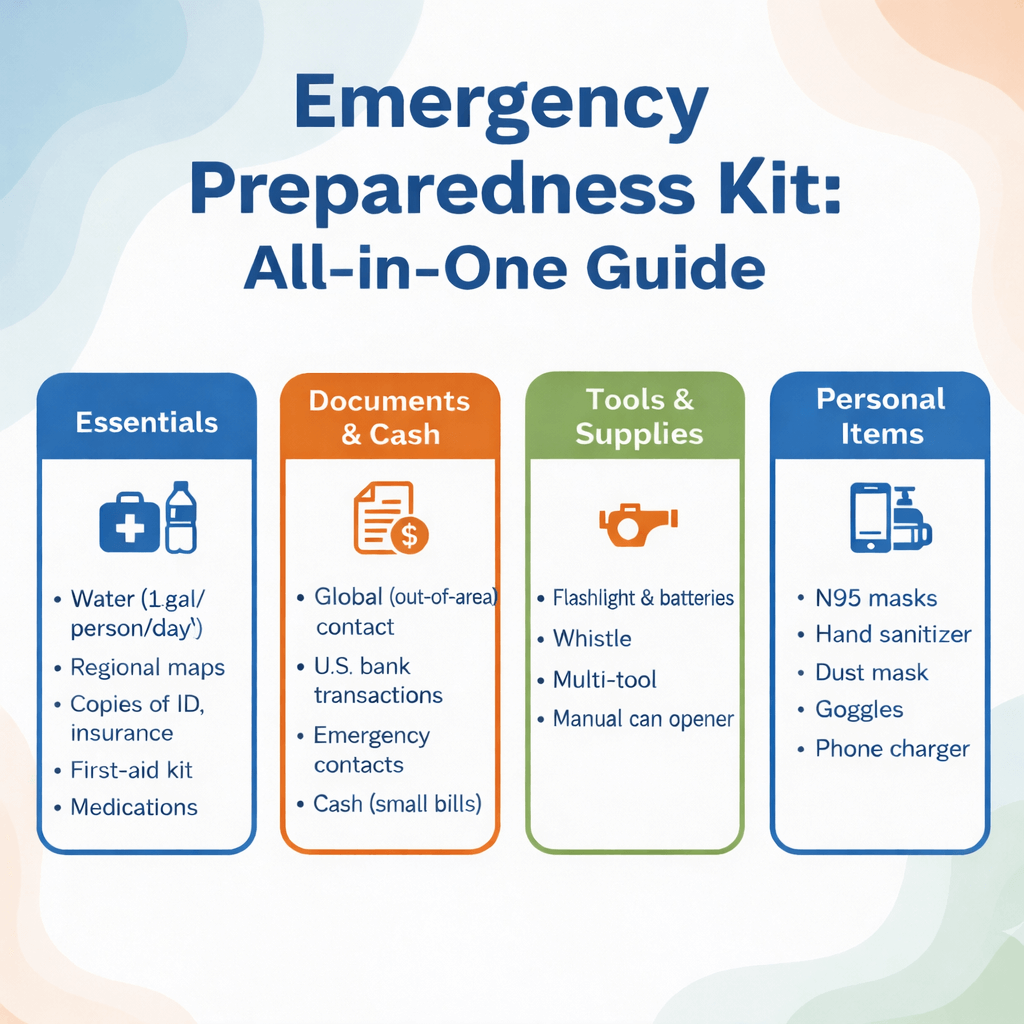
Wildfire kit guidance from Ready for Wildfire and the American Red Cross reinforces adding protective equipment to standard preparedness supplies. These items matter most when you’re driving through smoky areas, waiting in traffic, or spending hours outdoors during displacement.
- N95 masks sized appropriately for each person
- Protective goggles to reduce ash and irritation
- Long-sleeve natural-fiber clothing, plus a warm layer for nights
- Sturdy closed-toe shoes stored with go-bags
- Work gloves and a small multi-tool
- Spare windshield cloths and sealed water bottles for travel
These add-ons do not replace evacuation. They support safer movement and better health outcomes during evacuation and recovery.
How to Prepare for a Wildfire
Storage, Rotation and Seasonal Updates
The most common failure point in preparedness is not missing an item—it’s poor storage and expired supplies. A kit that’s buried in a garage, missing batteries, or stocked with expired food creates false confidence. Storage should support speed and clarity: you should know exactly where each kit is and how to grab it without searching.
Storage rules that work well for most households:
- Keep go-bags near the primary exit you would use during evacuation.
- Keep footwear and a light jacket next to the bags for nighttime evacuations.
- Store the home kit in an accessible location you can reach quickly.
- Keep a smaller vehicle kit in every car, year-round.
Rotation matters because wildfire season often overlaps with heat and power disruptions, which can degrade supplies faster. Review your kit twice a year—once before fire season and once after. Replace expired items and update documents when policies, addresses, or medications change.
To keep the habit simple, tie rotation to a recurring trigger: the start of fire season, daylight savings, or a calendar reminder you already remember. The goal is consistency, not perfection.
Last-Resort Safety: How a FORT® Fits into Preparedness
Preparedness is layered. The safest response to wildfire is early evacuation, supported by clear plans, timely alerts, and a ready emergency preparedness kit that helps households move quickly when conditions change.
In rare, last-resort situations when evacuation isn’t possible, a purpose-built, tested refuge like FORT® can provide temporary protection. Evacuation should always be the first option whenever it is available; a FORT® is a backstop, not a substitute for evacuation.
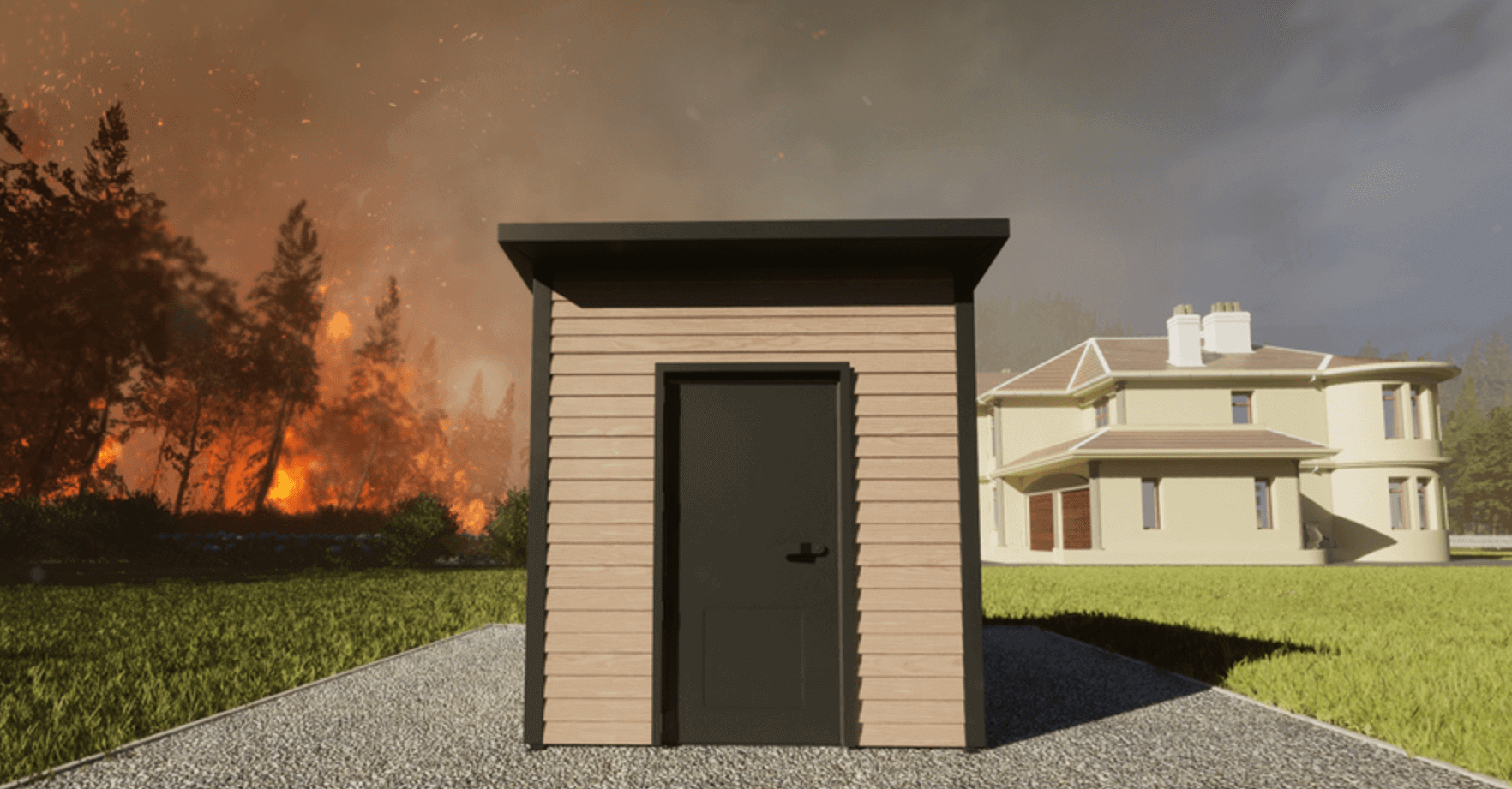
Residents should always follow evacuation instructions from local authorities. Only when evacuation routes are blocked should the FORT be used for life-protection. For property protection, you should always place valuables in your FORT prior to evacuating. - Linda Cantey, FORT™ Co-Inventor
If you’re evaluating last-resort refuge options as part of a broader wildfire safety plan, start with the system overview below.
Discover the FORT®
Key Takeaways, FAQs and Resource Links
Key Takeaways
- An emergency preparedness kit supports early evacuation and short-term disruption, not delaying action.
- Separate go-bags from home kits so you can leave quickly without last-minute packing.
- Wildfire-specific add-ons like masks and goggles matter when smoke spreads beyond the fire zone.
- Documents and backups speed recovery and reduce stress during displacement.
- Storage and rotation are what make a kit usable when conditions change fast.
FAQs
What should be in an emergency preparedness kit for wildfires?
Include water, shelf-stable food, backup power and lighting, medications, first aid, sanitation supplies, and protected copies of key documents. For wildfire season, add smoke protection like N95 masks and eye protection. You can cross-check your essentials against Ready for Wildfire’s emergency supply kit guidance.
How is an emergency preparedness kit different from a go-bag?
A go-bag is built for speed and portability during evacuation, while a home kit supports multi-day disruption and redundancy. Most households need both. If you want a grab-and-go packing list, start with Go Bag Checklist.
Where should I keep my emergency preparedness kit?
Keep go-bags near your primary exit so you can evacuate quickly, and store your larger home kit somewhere accessible. A small vehicle kit helps when traffic, detours, or closures extend travel time.
How often should I update my kit?
Review your kit at least twice a year and after major life changes like new medications, a move, or a new pet. Replace items near expiration and update your document packet as policies and information change.
Resource Links
- Oregon Wildfire Evacuation Checklist PDF
- Ready for Wildfire Emergency Supply Kit
- American Red Cross Wildfire Preparedness
- U.S. Fire Administration Wildfire Evacuation
- AlertSanDiego Build a Kit
Conclusion
A well-prepared emergency preparedness kit helps households act faster and with more confidence when wildfire conditions change. By organizing essential supplies ahead of time, accounting for smoke and power disruptions, and pairing kits with a clear evacuation plan, families reduce last-minute decisions that can slow safe evacuation. Preparedness isn’t about staying longer—it’s about leaving earlier and recovering more smoothly. When kits are accessible, updated, and integrated into broader wildfire planning, they become a practical support for early action, health, and safety during wildfire events.
-1.jpg)