Table of Contents
Forest fires rarely begin as large, fast-moving events. Most start from a small ignition source, such as a spark, a heat source, or a lightning strike. Under the right conditions, that small start can grow quickly and move through vegetation, across properties, and into communities.
Understanding how forest fires start helps homeowners and property managers focus on practical prevention. It also makes it easier to see how conditions like wind, dry fuels, and ember movement turn a small ignition into a larger wildfire. These patterns are consistent across regions, whether in forested mountain areas, grasslands, or suburban neighborhoods near open space.
This guide explains the main causes, how fires spread, and what steps can help reduce risk at home. It also highlights how behavior, maintenance, and awareness all play a role in lowering ignition potential over time.
Summary
Most wildfires begin from human activity, while lightning remains the leading natural cause. Once a fire starts, dry vegetation, wind, and embers can help it spread quickly. Fires often grow based on available fuel and environmental conditions rather than the size of the original ignition.
Homeowners can reduce risk by limiting ignition sources, maintaining defensible space, and adjusting routines on high-risk weather days. Small, consistent actions—like clearing debris or avoiding equipment use during windy conditions—can significantly reduce the likelihood of ignition.
Understanding both causes and spread patterns helps clarify where prevention efforts are most effective and where attention should be focused throughout fire season.
What Causes Forest Fires?
Wildfires generally begin in one of two ways: natural ignition or human activity. Both matter, but they do not contribute equally. In the United States, most wildfire ignitions are linked to people rather than natural events.
Because ignition is most often attributed to people, prevention is especially important in and around homes, roadways, work sites, and recreational areas. Human-caused fires often begin near communities, which increases the chance of damage to structures and evacuation routes. These ignitions are more likely to impact homes quickly because of their proximity to developed areas. Natural ignitions, such as lightning, may begin in more remote places, but they can still become large fires when vegetation is dry and winds pick up.
Looking at both categories helps clarify where homeowners have the most control. In most cases, that control starts with reducing common ignition risks around daily activities and property maintenance. It also reinforces the importance of paying attention to seasonal conditions that make fires easier to start and harder to control.
A Closer Look at Natural and Human Causes
The two main sources of wildfire ignition—natural events and human activity—may sound straightforward, but the difference between them has important implications for prevention. A closer look shows not only how these fires begin, but also why human-caused ignitions are often the most relevant concern for homeowners and communities.
Natural Causes (Lightning)
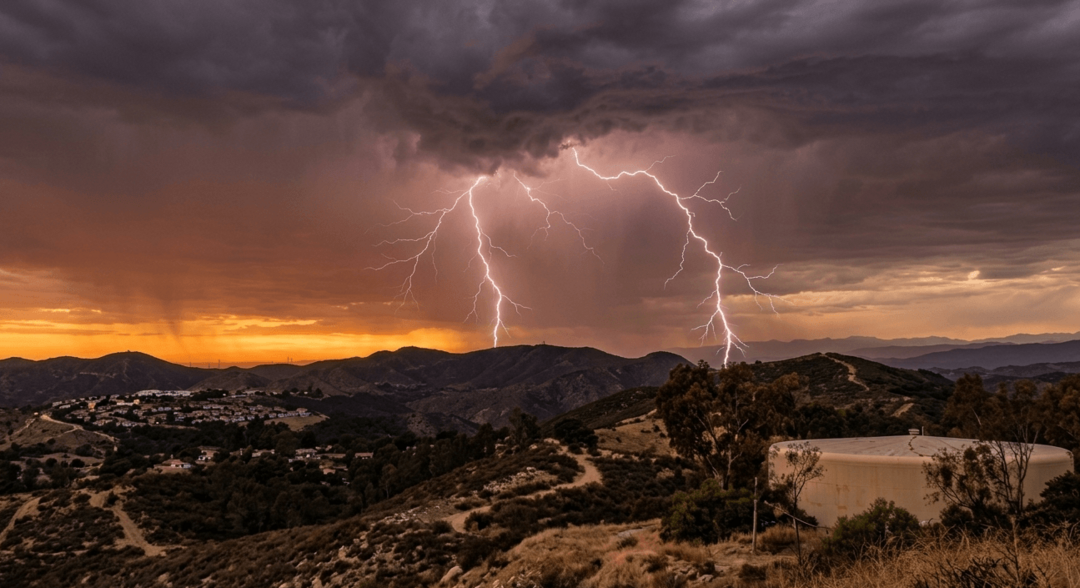
When people ask how forest fires start naturally, the answer is usually lightning. A lightning strike can ignite dry grass, brush, forest litter, or even roots and organic matter below the surface. In some cases, a fire may smolder for hours before becoming visible, especially when the ground is dry and the weather remains warm and breezy.
Dry thunderstorms are one of the clearest examples of this risk. These storms produce lightning but little meaningful rainfall, so there is not enough moisture to suppress ignition. In wildfire-prone areas, this can lead to multiple starts across a region in a short period of time.
While these fires cannot be prevented in the same way human-caused fires can, they are often influenced by fuel conditions. Long periods without rain, combined with heat and wind, increase the likelihood that a lightning strike will lead to ignition.
Human Causes (Everyday Activity)
Human activity accounts for most wildfire starts, often through ordinary actions that become more hazardous during hot, dry, or windy conditions. Equipment use is one common example. A mower blade striking a rock, a chainsaw producing sparks, or a vehicle parked over dry grass can all create enough heat to start a fire. Power line failures and contact with vegetation are another well-known source, especially while it is windy.
Campfires and fireworks also continue to cause preventable ignitions. A fire that looks out can still hold heat, and a small ember from fireworks can land in dry vegetation and spread before anyone notices. This is why behavior matters so much during fire season. Our guide on fireworks safety explains how quickly recreational fire sources can become a larger problem when conditions are dry.
Why the Difference Matters
Natural fires are not preventable, but human-caused fires often are. They also tend to start closer to homes, which increases the likelihood of structure loss and faster emergency response needs. This difference highlights where prevention efforts are most effective. By focusing on controllable risks—such as equipment use, debris management, and safe fire practices—homeowners can reduce the chance of ignition in areas where it matters most.
How Fires Spread
A wildfire does not need to begin large to become dangerous.
Once it starts, it can spread through a sequence of fuels and pathways that increase its intensity.
-
Surface fires move through grasses, leaves, needles, and low debris. These fires can travel quickly across the ground, especially in open, dry areas or on slopes.
-
From there, flames can move into ladder fuels, such as shrubs, low branches, and dense vegetation that connect the ground to the tree canopy.
-
Once fire reaches the canopy, it can become a crown fire, which spreads more rapidly and is much harder to control.
-
Wind plays a major role in each stage. It can increase flame length, accelerate movement, and push fire into new areas.
-
Ember spread adds another layer of complexity. Burning embers can travel ahead of the main fire and land on roofs, in gutters, near vents, or in combustible landscaping.
This is one of the primary reasons homes ignite during wildfires. Even if flames are not directly present, embers can create new ignition points around the structure.
Prevention Steps
Wildfire prevention is often built through routine, practical actions rather than complex one-time projects. At home, that means reducing ignition opportunities near the structure and maintaining the property in ways that limit fire spread. At the neighborhood or community level, coordinated upkeep can further reduce shared risk and support safer access during an emergency.
At the Home Level
- Clear the first five feet around the home (Zone 0)
- Remove leaves and debris from roofs and gutters
- Keep firewood and combustibles away from structures
- Trim branches away from roofs
- Replace or reduce highly flammable landscaping near the home
- Check vents and openings for potential ember entry points
At the Community or HOA Level
- Maintain shared vegetation and access roads
- Establish defensible space guidelines
- Coordinate seasonal cleanup efforts
- Ensure emergency access routes are clear
- Encourage consistent maintenance across properties
High-Risk Days
Some days require extra caution because conditions make ignition more likely and fire growth more rapid. These are often associated with Red Flag Warnings, which signal a combination of strong winds, low humidity, warm temperatures, and dry vegetation. On these days, activities that might normally be low-risk can become more dangerous. Even a small spark or heat source can lead to ignition when fuels are dry and winds are active.
It is best to avoid activities that produce sparks or heat, including the use of outdoor equipment, burning debris, or recreational fires. Even small ignition sources can lead to larger problems, especially when embers are involved—our guide on flying embers and how they ignite homes explains how easily these conditions can lead to structure fires. It is also a good time to monitor alerts, prepare evacuation routes, and make sure vehicles are ready if conditions change. Taking these precautions does not require major changes, but it does require awareness. Adjusting routines based on weather conditions is one of the simplest ways to reduce wildfire risk.
A Layered Plan With The FORT®
Wildfire preparation works best as a layered plan. Each part supports the others and improves overall readiness.
- Prevention helps reduce the chance of ignition.
- Mitigation helps reduce how easily fire reaches the structure.
- Evacuation planning helps people leave safely when conditions change.
A layered approach also helps account for changing conditions. Even when prevention measures are in place, weather and environmental factors can still influence fire behavior. That is why combining multiple strategies is more effective than relying on any single step.
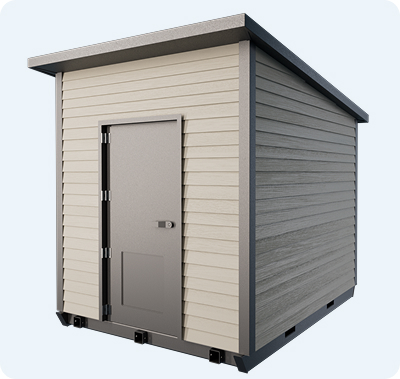
Some homeowners also consider additional protective measures within that broader plan. A purpose-built refuge like The FORT® may be included as one part of a layered wildfire strategy alongside evacuation planning, defensible space, and home hardening. It should be understood within the full context of preparedness, not as a standalone solution. The goal is to create multiple layers of protection that work together to improve safety and response.
FAQs
Most forest fires start because of human activity. Common causes include equipment use, power lines, campfires, fireworks, and other ignition sources near dry vegetation. These fires often begin close to homes or roads, which increases the risk to communities. Because these causes are tied to everyday actions, they are also the most preventable.
Natural ignitions are usually caused by lightning. This is especially true during dry thunderstorms, when lightning reaches the ground but rainfall is limited. In these cases, fires can start quickly or smolder before becoming visible later.
Wildfires spread through dry fuels, wind, and heat. They move across the ground, climb vegetation, and can spread into tree canopies. Embers can also travel ahead of the main fire and start new ignitions, increasing the speed and reach of the fire.
Embers can ignite vulnerable points around a structure, including roofs, gutters, vents, and nearby combustible materials. Because they can travel ahead of the main fire, homes may ignite even when flames are not directly present.
Focus on reducing ignition risks near the home. Clear vegetation close to structures, maintain roofs and gutters, and follow defensible space guidelines. Starting with the immediate area around the home provides the most direct reduction in risk.
Key Takeaways
- Most wildfires begin with small ignition sources, and human activity accounts for the majority of those starts.
- Lightning is the primary natural cause, especially during dry thunderstorms with limited rainfall.
- Once a fire starts, factors like dry fuels, wind, and embers determine how quickly it spreads.
- Embers can ignite homes even when flames are not directly present, making them a key risk factor.
- Reducing ignition risks near the home and maintaining defensible space can help lower exposure.
- Adjusting behavior on high-risk days, such as during Red Flag conditions, can prevent fires from starting.
- A consistent, layered approach to preparedness helps improve overall wildfire readiness.
Final Thought
Wildfires begin with small ignition sources, but their impact depends on conditions and preparation. Understanding how they start and spread helps homeowners focus on practical steps that reduce risk and improve readiness over time.
Preparedness is built through routine actions, awareness of changing conditions, and a clear plan for how to respond.
While risk cannot be eliminated entirely, it can be managed through consistent effort and informed decision-making. A layered approach supports better outcomes and helps households respond more effectively when wildfire risk increases.