Table of Contents
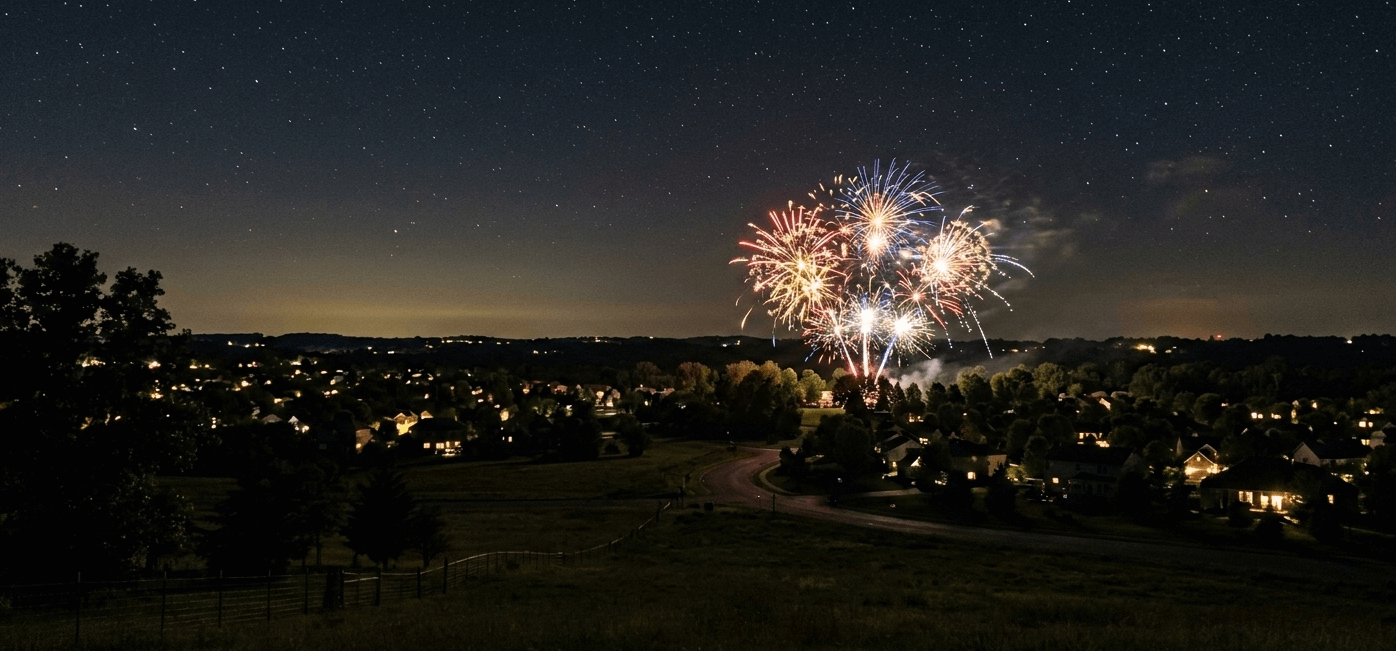
Fireworks are part of many summer traditions, but they carry real fire and injury risks—especially in dry, wildfire-prone regions. Each year across the United States, fireworks ignite thousands of structure and vegetation fires, most commonly during the hottest and driest part of the season. In areas where grasses are cured, humidity is low, and winds are steady, even a small ember can travel farther than most homeowners expect.
In fire-prone communities, fireworks safety is less about spectacle and more about conditions. Wind speed, nearby fuels, local regulations, and the physical layout of your property all influence risk. Taking the appropriate steps before lighting anything significantly reduces the chance of injuries or unintended ignition, and knowing when not to proceed can prevent consequences that extend beyond one evening.
Summary
This article explains how homeowners can approach fireworks use with safety and wildfire awareness in mind. It covers how sparks and burning fragments can ignite nearby materials, how to evaluate local rules and current weather conditions, and how to prepare a safe setup if fireworks are permitted where you live.
You will also find guidance on supervising children, protecting pets from noise stress, checking your property for embers after a display, and considering alternative celebration options when conditions increase fire risk.
Together, these steps help support responsible decision-making while reinforcing the importance of evacuation readiness and broader wildfire preparedness.
Why Wildfires Start from Fireworks
Fireworks do not need large flames to start a wildfire; they only need enough heat to ignite dry material. During drought conditions, grasses, pine needles, bark mulch, wooden fencing, and roof debris become highly receptive to ignition, and once lit, even a small patch of dry vegetation can spread quickly under the right weather patterns. Aerial fireworks increase unpredictability because when shells burst overhead, they scatter burning fragments in multiple directions. Most pieces extinguish before reaching the ground, but it only takes one ember landing in dry fuel to begin a smolder. Those small ignitions may not be immediately visible, particularly at night, and they can grow quietly before flaring into open flames.
Wind further complicates the equation. Strong gusts can carry sparks well beyond the launch area and into neighboring yards, open fields, or tree canopies. On hot, dry days—especially during periods of low humidity—the margin for error narrows considerably, which makes backyard fireworks safety much harder to manage even when precautions are in place.
Check Local Rules
Fire regulations vary widely by state, county, and municipality, and they often shift based on seasonal conditions. Some jurisdictions allow only limited consumer fireworks, while others prohibit them entirely during peak fire season. Temporary burn bans may suspend fireworks use when drought, high winds, or extreme heat increase wildfire risk. Red Flag Warnings are issued when weather conditions significantly elevate fire danger, typically involving strong winds and low humidity that allow fires to ignite easily and spread rapidly. Even if fireworks remain technically legal, lighting them during high-risk weather increases the likelihood that a stray spark will find dry fuel and grow beyond immediate control.
Checking local fire department or county guidance before celebrating is one of the simplest and most effective fireworks safety measures. When officials advise against ignition, that recommendation reflects real environmental conditions and should guide your decision.
Prepare Your Setup
If fireworks are permitted and weather conditions are stable, thoughtful preparation makes a meaningful difference. Backyard fireworks safety depends heavily on surface selection, clearance distances, and immediate suppression capability in case something ignites.
Choose a hard, non-flammable surface such as concrete or asphalt rather than dry lawns, wooden decks, or mulch beds. Overhanging branches and dry leaves in gutters can create hidden ignition points that may not flare until after the display ends, so evaluating your surroundings in advance reduces the chance of delayed fires.
Before lighting anything, prepare the area with:
- At least 30 feet of horizontal clearance from structures (more in dry climates)
- No overhead tree canopy
- A garden hose connected and pressurized
- A full bucket of water nearby
- An ABC-rated fire extinguisher within reach
- A metal bucket for used fireworks and duds
Assigning one adult to handle ignition and another to monitor surroundings improves safety and clarity. When someone’s sole responsibility is scanning for drifting sparks or small flare-ups, response time improves and confusion is reduced if something unexpected occurs.
Backyard vs Commercial Shows
There is a meaningful difference between backyard fireworks safety and commercial fireworks safety. Professional displays are managed by licensed pyrotechnicians who follow permitting requirements, safety inspections, and detailed site planning protocols. Launch areas are measured and secured, and weather conditions are evaluated carefully before ignition.
Commercial fireworks safety plans often include coordination with local fire departments, clearly defined safety perimeters, and specialized launch equipment designed to stabilize shells and reduce misfires. Wind direction, fallout zones, and surrounding fuel conditions are assessed before the first fuse is lit, which significantly lowers the likelihood of stray ignition.
Backyard fireworks rarely include those safeguards. Consumer products can tip over, malfunction, or eject sparks unpredictably, and homeowners typically do not have the same spacing or oversight controls as professional crews. For those living in wildfire-prone regions, attending a permitted community show substantially reduces personal ignition risk while still allowing families to celebrate.
Cleanup & Patrol
Cleanup deserves as much attention as setup because many fires begin after the visible display has ended. Relighting a dud can cause unpredictable explosions, so it is safer to wait at least 15 to 20 minutes and then soak the device thoroughly in water before placing it in a metal container. Used fireworks, including sparklers, should also be soaked before disposal since sparklers burn at extremely high temperatures and can remain hot longer than they appear.
A brief night-of patrol adds another layer of protection. Walking the yard with a flashlight and checking roofs, gutters, landscaping beds, and downwind areas helps identify smoldering embers that may not yet be visible flames. Because embers can sit quietly before flaring, spending a few extra minutes inspecting your property can prevent a small ignition from becoming a larger issue later in the evening.
Kids, Pets & Hearing
Fireworks injuries extend beyond ignition risk, as burns, eye injuries, and hearing damage are common during holiday celebrations. Children are especially vulnerable because they may not recognize how hot fireworks components become or how far sparks can travel. Active supervision is essential, particularly with sparklers, which burn at temperatures high enough to cause serious skin injuries. Establishing clear boundaries around ignition zones and keeping young children at a safe viewing distance reduces risk, and avoiding placing fireworks directly in children’s hands adds an additional layer of protection.
Hearing protection is also important, especially for infants and young children, since fireworks can exceed safe decibel levels and potentially cause lasting damage. Pets often react strongly to sudden loud noises and may attempt to flee, so keeping animals indoors in a secure environment reduces the likelihood of panic-related injuries or escapes.
Safer Ways to Celebrate
Open flames are not the only way to celebrate. In high fire danger areas, safer alternatives can create meaningful experiences without introducing the same ignition risks. Community fireworks shows provide professional oversight and structured safety perimeters that reduce the chance of accidental fires. Many municipalities now offer drone light shows, which eliminate open flames entirely while delivering visually impressive displays. For smaller gatherings, LED light displays or glow stick celebrations create festive energy without sparks or heat. When wildfire danger is elevated, choosing lower-risk options protects both your household and your broader community.
Fireworks Safety Checklist
Before lighting fireworks, confirm:
- Fireworks are legal today (no burn ban or Red Flag Warning)
- The area is clear of dry grass, leaves, and debris
- Launch surface is concrete or asphalt
- At least 30 feet of space from structures
- Hose is connected and ready
- Bucket of water and fire extinguisher nearby
- Used fireworks will be soaked before disposal
- Children are supervised and pets are indoors
- I will check the yard and roof for embers afterward
In wildfire-prone areas, consider choosing a community show or alternative displays since they are often the safer options.
Planning With FORT®
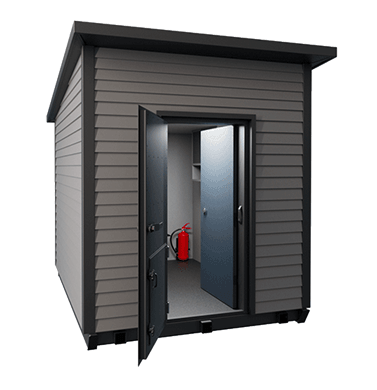
In extreme conditions, a single spark can escalate into a fast-moving wildfire, and fireworks are one of several preventable human-caused ignition sources.
During dry, windy weather, fires can spread faster than most people anticipate, which makes broader seasonal preparedness essential. Maintaining defensible space, clearing gutters, trimming vegetation, and preparing evacuation plans reduce risk throughout fire season and place fireworks safety in its proper context within overall home readiness.
Evacuation should always be the first priority if a wildfire threatens your area. Following official instructions and leaving early when advised improves safety, particularly because fire behavior can shift quickly and limit safe exit routes.
Always evacuate if you can; a FORT® is a backup option, not a substitute for evacuation. A FORT® is designed to function within a comprehensive wildfire preparedness plan that includes early evacuation decisions and situational awareness, serving only as an additional layer of protection if all safe escape routes have closed.
FAQs
Key Takeaways
- Fireworks can ignite dry vegetation, debris, or roofing materials when conditions are hot and dry.
- Always check local restrictions, burn bans, and weather conditions before lighting fireworks.
- Use a hard launch surface, maintain clearance from structures, and keep water or extinguishers nearby.
- Community fireworks shows provide safer celebrations with professional oversight.
- Inspect your property afterward for embers or smoldering debris.
- Supervise children, keep pets indoors, and consider hearing protection.
- When fire danger is elevated, safer alternatives can still create meaningful celebrations.
Final Thoughts
Fireworks can create meaningful celebrations, but they require careful judgment—particularly in wildfire-prone areas. Conditions, preparation, and local guidance all influence risk, and fireworks safety depends on more than lighting a fuse.
Assessing your surroundings, respecting restrictions, and preparing for suppression, if needed, reduce the likelihood of unintended consequences. Taking time to plan protects not only your home but also neighbors, first responders, and the broader community.