Table of Contents
- What Is Home Hardening?
- Discreet Retrofits That Preserve Aesthetics
- Priority Matrix: Where to Start
- Codes, Approvals, and HOA Considerations
- Insurance, Documentation, and Discounts
- Resources for Homeowners and HOAs
- Where the FORT Fits in a Hardened Property Plan
- Frequently Asked Questions
- Key Takeaways
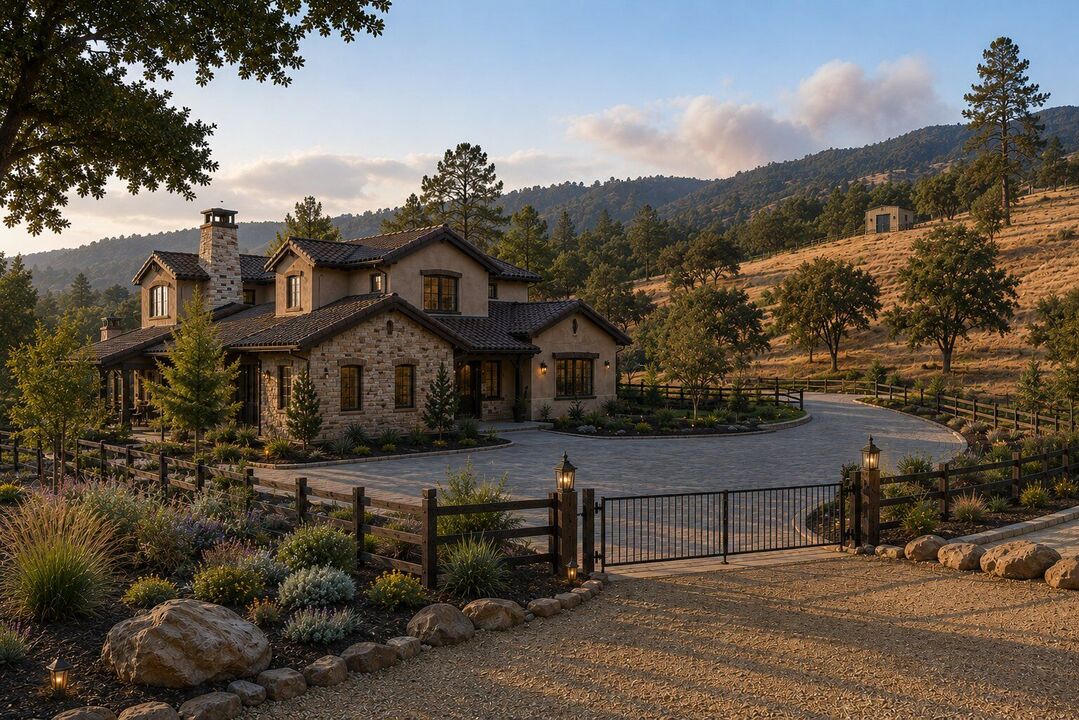
There's a particular challenge that comes with owning a well-designed property in wildfire country. The architectural details that make it distinctive — the cedar soffits, the expansive windows, the custom garage doors, the wraparound deck — are often the same features that make it more vulnerable to fire. Protecting the property doesn't mean erasing what makes it worth protecting. But it does mean being deliberate about where the real risks are and how to address them without compromising what you've built.
Home hardening is the process of modifying a structure's materials and design to resist ignition. Unlike defensible space, which focuses on what surrounds a home, hardening focuses on the home itself: its surfaces, openings, attachments, and assemblies. For properties built before current WUI (wildland urban interface) codes took effect, or in jurisdictions where those standards didn't apply at the time of construction, retrofitting is the path forward. For high-value properties specifically, the retrofit conversation gets more nuanced. There are HOA restrictions, historic designations, aesthetic standards, and insurance documentation to think through alongside the purely technical decisions.
Evacuation is always the safest option when a wildfire threatens. Follow official guidance, leave early, and don't wait for a mandatory order. This guide covers the physical preparation that makes a home more resilient before fire season arrives: the modifications that reduce ignition risk and support the broader layered strategy that serious wildfire planning requires.
In Short
Home hardening means reducing the ways a wildfire can ignite your home: radiant heat transmitted through windows, direct flame contact with combustible cladding, and ember intrusion through vents and gaps. Research consistently shows that the majority of homes destroyed in wildfires don't burn from the fire front itself. They ignite from embers landing in gutters, entering attic vents, or accumulating against combustible siding.
For high-value properties, most effective retrofits are either invisible or can be matched to existing design profiles without visible compromise. For owners who want to extend their preparedness planning beyond the structure itself, an on-site refuge option like the FORT® can serve as the people-protection layer within a comprehensive wildfire safety strategy — working alongside home hardening and evacuation planning, not replacing either.
What Is Home Hardening? (And What It Actually Protects Against)
Home hardening is a specific set of structural modifications designed to reduce a building's ignitability. The term gets used loosely sometimes, but in practice it refers to upgrades that address the 3 ways a wildfire can ignite a structure.
Radiant heat is transmitted through the air and can ignite combustible materials, particularly wood, without direct flame contact. Single-pane windows can fail from radiant heat alone, letting fire into the interior of a home that hasn't even been touched by direct flame.
Direct flame contact happens when fire physically reaches the structure, often through decks, fences, wood piles, or combustible siding. This is where the transition zone between the home and its immediate surroundings becomes critical.
Ember intrusion is the most common ignition pathway and the one most homeowners underestimate. During an active fire, embers travel ahead of the fire front — sometimes for a mile or more. They land on roofs, accumulate in gutters, enter attic vents, and collect against doors and siding. A single ember landing in a dry gutter full of leaves can ignite a home that never saw direct flame. Understanding how flying embers ignite homes makes the case for why this ignition pathway deserves specific attention.
Understanding these 3 pathways changes how you prioritize retrofits. You're not just trying to make the house look fire-resistant. You're closing off the specific entry points that embers exploit and reducing the surfaces that radiant heat and direct flame can ignite.
For estate-sized properties, this matters at a different scale. More linear feet of eave line. More vent penetrations. More glazing area. More attachment structures — decks, pergolas, pool houses, equipment sheds — each of which represents a potential ignition point that could transfer fire to the main structure.
Discreet Retrofits That Preserve Aesthetics
Most of the retrofits that matter most are ones visitors won't notice. That's genuinely good news for owners who've invested in the visual character of their property.
Vents and Eaves
Attic vents and foundation vents are among the highest-risk openings on any structure. Standard vent screens do almost nothing to stop ember intrusion. The effective standard is corrosion-resistant metal mesh with openings no larger than 1/16" — small enough to stop embers before they enter. These screens can be retrofitted into existing vent frames without replacing the vent housing itself. From the exterior, the change is essentially invisible.
Open-soffit eave designs, common on older Craftsman, ranch, and certain contemporary styles, require boxing in. This means adding material to close the gap between the fascia and the exterior wall. Done well, this can be matched to the existing exterior finish — stucco over stucco, painted wood trim over wood trim. The visual change is minor. The reduction in ember vulnerability is significant.
Glazing
Single-pane windows are a meaningful vulnerability. They can fail from radiant heat before the fire has reached the structure, and the opening they create draws air and embers into the interior.
The retrofit path for most high-value properties is dual-pane or tempered glass. For homes with distinctive window profiles — divided light patterns, arched frames, large fixed panes — glass replacement doesn't require changing the frame. The glazing itself is swapped while the frame and exterior appearance stay intact. Multi-pane options are available for most standard frame profiles.
Frame material matters too. Vinyl frames have lower ignition resistance than aluminum-clad or fiberglass. For properties where window replacement is part of a larger renovation, specifying clad frames from the outset is worth the planning.
Doors and Garage Doors
Exterior doors should be solid-core, and any gaps around the door frame should be sealed with intumescent weatherstripping — a material that expands when heated, sealing gaps that smoke and embers would otherwise exploit. Fire-rated door assemblies are available in a wide range of profiles and finishes and are not visually distinguishable from standard doors.
Garage doors deserve specific attention. The garage is frequently the point of ember intrusion that leads to a home loss, because most garage doors aren't sealed at the bottom or sides, and most garages contain combustible materials. Multi-panel garage door retrofits, including bottom seals and side compression seals, are available for most standard door configurations and are typically invisible in use.
Roofing
The roof is the largest horizontal surface on most structures and the surface with the highest ember exposure. Class A fire-resistance is the standard to meet — which covers the full roof assembly, not just the surface material.
The visual flexibility here is broader than many owners realize. Concrete and clay tile are Class A and are stylistically identical to their non-rated counterparts. Steel roofing profiles are available that replicate the look of wood shakes or standing seam at a fraction of the fire risk. Treated fiber cement offers similar profile flexibility. If an existing wood shake or untreated wood shingle roof is due for replacement, this is the retrofit moment.
Gutters and roof valleys are ember collection points. Metal gutters with gutter guards — not the plastic mesh variety, which melts — significantly reduce accumulation risk. Keeping valleys clear is a maintenance item, not a one-time retrofit, but it belongs in the same conversation.
Siding and Cladding
For properties with combustible wood siding or cedar shingles, fire-resistant siding options now span a wide enough range that aesthetic continuity is achievable. Fiber cement, stucco, and stone veneer are all established retrofit materials. Fiber cement in particular can be manufactured to replicate wood lap siding, board-and-batten, or shingle profiles closely. You can explore the full range of wildfire prevention strategies for the property as a whole, including defensible space and cladding options, in our broader preparedness resources.
Priority Matrix: Where to Start
Not every property can be fully retrofitted in a single season. When phasing is necessary, sequencing by actual risk level makes more sense than sequencing by cost or convenience. The table below reflects relative vulnerability, not just what's easiest to schedule.
| Priority | Component | Relative Vulnerability | Retrofit Complexity | Visibility Impact |
|---|---|---|---|---|
| 1 | Roof assembly and gutters | Very High | Moderate to High | Low to None |
| 2 | Vents and eave openings | Very High | Low | Minimal |
| 3 | Glazing and exterior doors | High | Moderate | Low to None |
| 4 | Decks, fences, and attachments | High | Varies | Varies |
| 5 | Exterior walls and cladding | Moderate | High | Moderate |
Roof and vent work consistently delivers the most risk reduction per dollar spent. Vent screening in particular is low complexity and can often be done without a permit — making it the right first move even if larger projects are still being planned.
Attachments like decks and fences deserve more attention than they typically get. A combustible wood deck attached directly to the structure is essentially a flame delivery path to the wall. Composite decking with non-combustible framing, or a deliberate gap between the deck and the exterior wall, breaks that connection without changing the look of the space significantly.
Codes, Approvals, and HOA Considerations
California's Chapter 7A building code governs construction in WUI zones and sets the standards that home hardening retrofits are typically benchmarked against. For new construction in designated WUI areas, Chapter 7A compliance is mandatory. For existing structures, the retrofit requirements depend on the scope of work being done.
Vent screening, gutter guards, and weatherstripping generally don't require permits. Window replacement typically triggers a permit in most California counties, but the process is straightforward for like-for-like replacements. Roof replacement almost always requires a permit, and in WUI zones will require Class A assembly documentation.
For properties in HOAs, the framing of retrofit requests matters. Most HOA architectural review processes are designed to evaluate visible changes. Presenting upgrades as material replacements that maintain the existing appearance — rather than as fire safety modifications — often moves approvals more quickly. Fiber cement siding that matches the existing profile, windows that match the existing frame design, and gutter systems that match the existing color are all legitimately identical in appearance to what they're replacing.
Historic-designated properties require a different conversation, often with a preservation officer rather than a standard building department. Many fire-resistance improvements are either interior modifications — intumescent weatherstripping, interior glazing films — or can be demonstrated to not alter the historic character of the structure. It's worth engaging a contractor familiar with both historic preservation and WUI compliance before starting any permitted work.
Insurance, Documentation, and Discounts
California's Safer from Wildfires regulation, which took effect in 2022, requires insurers to offer premium discounts to homeowners who can demonstrate compliance with a defined set of mitigation measures. These measures map closely to home hardening retrofits: roof, vents, eaves, windows, decks, and defensible space.
The documentation requirement is specific. Insurers want a completed home assessment, ideally from a certified inspector, along with photo evidence and product documentation showing that the materials installed meet the required standards. Building a retrofit file as work is completed — photos before and after, product data sheets, contractor receipts, permit records — costs almost nothing extra and can make the difference when it comes to qualifying for discounts or maintaining coverage in high-risk zones.
The IBHS (Insurance Institute for Business and Home Safety) Fortified Home program offers a recognized certification framework that some insurers accept as documentation. It involves a third-party inspection and is structured around the same roof-first, openings-second priority logic described above.
Insurance in wildfire-risk zones has become genuinely complicated. Carriers are exiting markets, and standard policies often don't reflect the actual replacement value of high-end properties. Working with a broker who specializes in high-value homes in fire-risk areas is worth the time. It's also worth reviewing how you're thinking about protecting valuables, records, and people as part of your overall fire preparedness documentation strategy.
Resources for Homeowners and HOAs
Several programs offer both technical guidance and, in some cases, financial assistance for home hardening work. The list below covers the most established options as of 2025.
- CAL FIRE / ReadyForWildfire.org — County-specific guidance, inspection programs, and links to local rebate programs. The inspection and guidance resources are available to all property owners regardless of income.
- IBHS Fortified Home — Tiered certification structure (Roof, Silver, Gold) that gives homeowners a clear benchmark and documentation framework recognized by many insurers.
- FEMA Building Science Resources — Technical guidance on fire-resistant construction and retrofit standards.
- Local fire safe councils — Most California counties have fire safe councils that work directly with homeowners and HOAs on community defensible space programs. These complement individual home hardening efforts significantly.
For HOAs, the most effective path toward community-wide hardening usually combines updated CC&R language that permits fire-resistance upgrades regardless of visual similarity to existing materials, plus a coordinated relationship with the local fire safe council. A well-hardened home in a neighborhood with dense brush against every property line faces a harder fight than a moderately hardened home in a neighborhood with coordinated fuel reduction. The individual and community layers reinforce each other.
A solid starting point for household-level preparedness planning, including evacuation documentation, is the family emergency plan guide from WSS. Home hardening and evacuation planning work best when they're developed together.
Where the FORT Fits in a Hardened Property Plan
Home hardening is about the structure. A well-hardened property resists ignition longer, reduces the speed at which fire can spread through the building, and buys time. That time is most valuable when it's used to evacuate.
Evacuation is always the goal. Get out early, follow official guidance, and don't wait to see how close the fire gets. A hardened home is not a reason to stay.
But part of serious wildfire planning is acknowledging that conditions can change faster than expected. Roads close. Fires spot across evacuation routes. People with limited mobility, staff who stay to protect property, or families caught by rapid fire movement face scenarios where evacuation is no longer an option. A hardened home helps in those situations — but it doesn't address where the people inside will shelter if the home's systems are pushed beyond their limits.
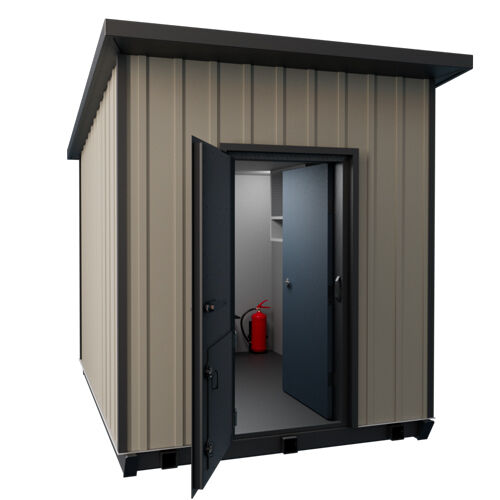
The FORT® is designed to be the people-protection layer in that plan. A purpose-built, above-ground refuge structure with a managed breathable air system, sealed construction, and heat-resistant materials, the FORT works alongside home hardening and evacuation planning as part of a layered wildfire safety strategy. It's the component of the plan that addresses what happens to the people when the other layers have reached their limits. For more on how purpose-built fire shelters compare to other options, the fire shelter effectiveness guide covers the engineering and design considerations in detail.
For estate properties, where the scale of investment in both the structure and the people who live and work there is significant, having every layer of the strategy in place is what comprehensive planning looks like.
Frequently Asked Questions
Key Takeaways
- Most homes destroyed in wildfires ignite from embers, not the fire front — retrofits that close vent openings and protect gutters address the highest-probability ignition pathway
- Vent screening is the lowest-complexity, lowest-cost retrofit with meaningful risk reduction — and usually doesn't require a permit
- Window glazing, garage doors, and roof assemblies can all be upgraded to fire-resistant standards without changing the visual profile of the home
- Phasing retrofits roof-first, then openings, then attachments, then cladding follows actual vulnerability rather than convenience
- California's Safer from Wildfires regulation creates a documented path to insurance discounts — building a retrofit file as work is completed can affect both premium and coverage eligibility
- Home hardening and evacuation planning work best as a combined strategy; hardening buys time, evacuation uses it
Final Thoughts
Home hardening is one of the more concrete decisions a property owner in wildfire country can make. Unlike evacuation planning, which involves variables you can't control, the physical modifications to a structure are things you can actually complete, document, and check off. Each one closes a specific ignition pathway.
For high-value properties, the work requires more planning than it does on a simpler structure. There are aesthetics to preserve, codes to navigate, HOA processes to work through, and insurance implications to document carefully. None of that makes the work more complicated than it's worth. The goal, across all of it, is a property and a plan that give you real options when fire approaches: a hardened structure, clear defensible space, a tested evacuation plan, and an on-site refuge option for the scenarios you can't fully plan around. That's what layered wildfire preparedness looks like.