Table of Contents
Wildfires often begin with something small—a spark from equipment, a lightning strike, or an unattended flame. Under the right conditions, that small ignition can quickly grow into a fast-moving fire that spreads across large areas in a matter of hours. While wildfire behavior can seem unpredictable, the causes behind most fires are well understood.
Learning what causes wildfires is one of the most practical steps homeowners and property managers can take to reduce risk. When you understand where fires start and how they spread, it becomes easier to recognize high-risk conditions and adjust everyday behavior accordingly. In many cases, small preventative actions can significantly reduce the likelihood of ignition.
This guide breaks down the most common causes of wildfires, how fires grow, and what actions can help reduce risk at both the individual and community level. While preparation plays a critical role, always follow official guidance and evacuate when instructed—leaving early remains the safest option.
Summary
Most wildfires are caused by human activity, often from routine actions like equipment use, power lines, or outdoor burning. Lightning accounts for most natural ignitions, but environmental conditions such as drought and wind determine how quickly fires spread.
Reducing ignition sources and maintaining defensible space are among the most effective ways to lower wildfire risk.
Main Causes & Recent Trends
Wildfires generally fall into two categories: human-caused and natural. In the United States, human activity is responsible for the majority of wildfire ignitions each year, while lightning accounts for most natural fire starts.
According to the Western Fire Chiefs Association’s overview of wildfire causes, many fires originate from routine actions rather than extreme or unusual events. This means that everyday decisions—such as when and how equipment is used or how outdoor fires are managed—play a meaningful role in wildfire risk.
At the same time, wildfire behavior has shifted in ways that make these ignition sources more impactful than they might have been in the past. Fires are now occurring more frequently, lasting longer into the year, and spreading more quickly across landscapes. These changes are not driven by a single factor, but by a combination of environmental conditions and patterns of development. Warmer temperatures and extended drought periods reduce moisture in vegetation, while seasonal growth followed by drying creates more available fuel. When this is combined with wind and low humidity, conditions become highly favorable for rapid fire spread.
As outlined in discussions on the future of wildfires, the expansion of homes and infrastructure into wildfire-prone areas also increases both ignition opportunities and exposure. This means that more fires are starting in places where people live and work, and more communities are affected when fires do occur. Together, these trends help explain why small ignition sources—whether human or natural—can now lead to larger, faster-moving wildfires.
Understanding both the causes of ignition and the conditions that allow fires to grow is essential for reducing risk. While not every fire can be prevented, many of the most common causes can be addressed through awareness and preparation, especially during periods when environmental conditions increase the likelihood of ignition and rapid spread.
Human Causes of Wildfires
Human activity is the leading cause of wildfires, and in many cases, these fires are preventable. Unlike natural ignitions, which are tied more closely to weather patterns, human-caused fires often result from routine actions. That is one reason prevention messaging focuses so heavily on awareness, timing, and behavior during dry or windy conditions.
Some of the most common human causes include damaged power lines, equipment use, fireworks, vehicles, campfires, and debris burning. Electrical infrastructure can produce sparks when lines are damaged or exposed to wind. Landscaping and construction equipment can create heat or friction that ignites dry vegetation. Fireworks can send embers into grass or brush, while hot exhaust systems and dragging trailer chains can ignite roadside fuels.
- Vehicles: Hot exhaust, dragging trailer chains, or sparks along roadsides that ignite grass
- Power lines: Damaged or wind-driven lines producing sparks
- Equipment use: Mowers, chainsaws, and tools creating heat or friction
- Fireworks: Embers landing in dry vegetation
- Campfires and debris burning: Improperly extinguished fires reigniting
Because these causes are tied to routine actions, they are also among the most controllable. Small decisions—such as postponing equipment use on dry days or fully extinguishing a fire before leaving it—can reduce risk significantly. For a closer look at one of these ignition sources, see our resource on Fireworks Safety.
Recent Examples of Human-Caused Wildfires
Understanding wildfire causes becomes more concrete when looking at real-world examples. Many recent wildfires have been linked to human activity, often involving the same types of ignition sources discussed above. While each incident has its own circumstances, the patterns are familiar: a small ignition source, dry fuels, and weather conditions that allow the fire to grow.
Power infrastructure has been associated with major fire events in several western states, particularly during high-wind conditions. Equipment-related ignitions have also caused fires when machinery was used in dry grass or brush. In other cases, campfires that were not fully extinguished have reignited and spread, and roadside fires have started from sparks or hot vehicle components. These are not unusual or obscure causes. They are the same day-to-day risks that appear in wildfire prevention guidance year after year.
What these examples show is that the scale of a wildfire is rarely determined by the initial spark alone. More often, it depends on how dry the fuels are, how strong the winds are, and how quickly the fire is detected. That is why even small prevention steps matter. Reducing one ignition source can prevent a chain of events that becomes much harder to control once a fire starts.
Natural Causes of Wildfires
Natural causes account for a smaller share of wildfire ignitions, but they can still result in large and difficult-to-control fires. These fires often begin in remote areas, where they may go undetected for longer periods. By the time they are discovered, weather and terrain may already be helping them spread.
Lightning is the primary natural cause of wildfires. A strike can ignite vegetation immediately, or it can create a smoldering hotspot that becomes visible hours or even days later. Dry lightning is especially concerning because it brings electrical activity without meaningful rainfall reaching the ground, leaving vegetation dry and vulnerable to ignition.
Drought also plays an important role. As vegetation loses moisture over time, grasses, shrubs, and trees become more flammable. Dead vegetation accumulates as fuel, and even regions that are not typically considered high-risk can become more vulnerable during prolonged dry periods. When fuels are dry, a fire that starts naturally has a much better chance of growing quickly.
- Lightning: The leading natural ignition source
- Drought: Reduces moisture in vegetation and increases flammability
- Dry fuels: Allow fire to move more easily across the landscape
- Wind: Accelerates spread and carries embers over distance
- Terrain: Slopes and canyons can intensify fire behavior
Wind does not cause ignition on its own, but it has an enormous influence on what happens after a fire starts. It can push flames forward, increase oxygen supply, and carry embers well ahead of the main fire. Terrain adds another layer. Fires tend to move uphill more quickly, and slopes or narrow canyons can intensify heat and direction. Taken together, these natural conditions explain why some fires grow far more aggressively than others, even when the ignition source appears similar.
-(1).png)
How Wildfires Grow and Spread
Once a fire starts, its behavior is shaped by fuel, weather, and terrain. These factors determine how quickly it spreads and how intense it becomes. Even a relatively small ignition can escalate quickly if it encounters dry vegetation, strong winds, and terrain that helps move heat and flames uphill.
Embers are one of the primary drivers of wildfire spread. These small burning fragments can travel far ahead of the main fire and ignite new fires in vulnerable areas. In many cases, homes are ignited by embers rather than direct flame contact. That is one reason ember-resistant maintenance and home hardening are so important. For more on this, see Flying Embers: How They Ignite Homes.
- Surface fires: Burn grass, leaves, and debris along the ground
- Crown fires: Move through treetops and spread rapidly
Wind amplifies both types of fire behavior. It increases oxygen flow, pushes flames forward, and can change direction quickly. Under the right conditions, this makes wildfire spread faster and less predictable, which is why prevention and early action matter so much before a fire reaches a developed area.
Prevention Playbook
Wildfire prevention focuses on reducing ignition sources and limiting fire spread near structures. According to the National Interagency Fire Center, prevention is a shared responsibility. It depends on everyday habits at the household level, maintenance across communities, and broader efforts that address infrastructure and fuel conditions.
At the home level, Zone 0—the first five feet around a structure—is especially important. Keeping this area clear of combustible materials reduces the likelihood that embers will ignite something close to the home. Roofs, gutters, vents, and decks also matter because they can collect debris or provide entry points for embers. These are often some of the simplest places to improve wildfire resilience.
- Clear debris and dry vegetation near the home
- Maintain roofs and gutters
- Install ember-resistant vents where appropriate
- Keep decks, fences, and immediate surroundings free of combustible buildup
Everyday habits matter as well. The American Red Cross recommends fully extinguishing fires, avoiding outdoor burning during dry conditions, and using equipment responsibly. Home-level steps are most effective when they are paired with broader readiness. For a fuller preparedness framework, see How to Prepare for a Wildfire.
What to Do on Red Flag Warning Days
Red Flag Warnings indicate conditions where fires can start easily and spread rapidly. These warnings are typically issued when low humidity, strong winds, and dry fuels are present at the same time. During these periods, even a small spark can lead to a fast-moving wildfire.
On Red Flag days, it is best to avoid activities that produce sparks or heat, including the use of outdoor equipment, burning debris, or recreational fires. This includes tasks that might otherwise feel routine, such as mowing dry grass or using power tools near vegetation. Conditions that might seem manageable on a normal day can become significantly more hazardous when combined with wind and dry fuels.
It is also important to stay aware of changing conditions throughout the day. Monitoring local alerts, checking weather updates, and understanding nearby fire activity can help you respond quickly if a situation develops. Preparing vehicles, reviewing evacuation routes, and keeping essential items accessible can reduce delays if you need to leave quickly.
These precautions do not require major changes, but they do require attention and consistency. Adjusting routines based on weather conditions is one of the simplest and most effective ways to reduce wildfire risk, particularly during periods when fires can spread rapidly with little warning.
From Causes to Action
Understanding what causes wildfires provides context, but preparation is what reduces impact. Recognizing how fires start should lead directly into practical steps that improve readiness and reduce risk before conditions escalate. The goal is not only to prevent ignition, but also to be prepared to respond quickly if a fire occurs nearby.
This includes a combination of property-level improvements and personal preparedness. Maintaining defensible space helps reduce the likelihood that a fire will reach structures, while evacuation planning ensures that you can leave safely if conditions change. Emergency readiness is most effective when it is planned in advance rather than assembled during an active situation.
- Maintain defensible space: Reduce fuels around the home, especially within the first five feet
- Prepare evacuation plans: Identify multiple routes and establish a clear plan for leaving early
- Assemble emergency supplies: Keep go-bags and essential items ready and accessible
- Stay informed: Monitor alerts, fire conditions, and weather updates regularly
These steps are most effective when they are maintained consistently and applied across more than one area. Small improvements made over time can significantly strengthen overall readiness, helping reduce both ignition risk and the potential impact of a wildfire.
Taken together, preparation turns awareness into action. Understanding causes helps identify where risk begins, but consistent preparation is what helps reduce that risk in real-world conditions.
Where the FORT® Fits in a Layered Wildfire Plan
Wildfire preparation works best as a layered approach, where multiple strategies support overall safety and response.
Property maintenance, defensible space, building upgrades, and evacuation planning all contribute to reducing ignition risk and improving outcomes when conditions change.
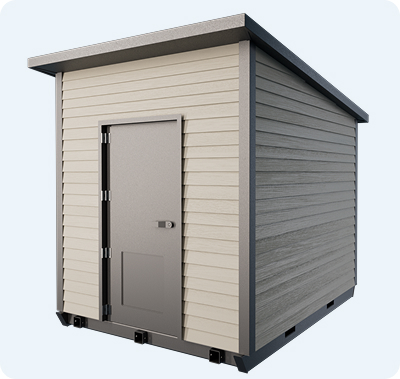
Within that broader framework, some homeowners incorporate the FORT® as an additional layer of protection. The FORT® is a fire-resistant refuge structure installed on a property and designed to provide temporary protection for occupants during extreme wildfire conditions if evacuation routes become compromised or conditions shift rapidly.
When integrated thoughtfully into a wildfire plan, the FORT® can provide:
- An on-site refuge option if evacuation routes become compromised
- A supplement to defensible space, home hardening, and evacuation planning
- A way to pre-stage essential items that are difficult to evacuate quickly
Evacuation remains the safest option whenever it is possible and recommended by local authorities. Within a layered preparedness strategy, however, the FORT® can serve as an additional on-site refuge option when wildfire conditions become unpredictable.
FAQs
Yes. Vehicles are a common source of wildfire ignitions, especially along roadsides. Hot exhaust systems, dragging chains, flat tires, or sparks from brakes can all ignite dry grass or vegetation. These risks increase during hot, dry, and windy conditions, when fuels are more likely to catch and fires can spread quickly. Parking on dry grass or driving through overgrown areas can also create ignition points, making awareness and caution especially important in fire-prone regions.
Human activity is the leading cause of wildfires in the United States. Common sources include equipment use, power lines, campfires, and fireworks.
California consistently reports the highest number of wildfires annually. This is due to its size, climate, and vegetation.
Key Takeaways
- Most wildfires are caused by human activity
Everyday actions—like equipment use, vehicles, power lines, and outdoor burning—account for the majority of wildfire ignitions. Many of these are preventable with better awareness and timing. - Lightning is the primary natural cause
While less frequent than human-caused fires, lightning can ignite fires in remote areas, sometimes smoldering for hours or days before becoming visible. - Weather and fuel conditions drive wildfire behavior
Dry vegetation, low humidity, and strong winds determine how quickly a fire spreads and how intense it becomes—often more than the original ignition source. - Embers are one of the biggest threats to homes
Small burning fragments can travel ahead of the fire and ignite roofs, decks, vents, and surrounding vegetation, even before flames arrive. - Prevention focuses on reducing ignition and limiting spread
Simple actions—like clearing debris, maintaining defensible space, and adjusting activities during high-risk conditions—can significantly reduce wildfire risk. - Effective protection comes from a layered approach
The strongest wildfire safety plans combine prevention, home hardening, and evacuation readiness—sometimes with additional on-site refuge options integrated thoughtfully as a backup when conditions become unpredictable.
Final Thoughts
Wildfires often begin with small, preventable events but can escalate quickly when conditions align. Understanding what causes wildfires helps identify where risk starts—and where it can be reduced.
Preparation comes down to awareness, consistency, and informed decision-making. The more clearly people understand how fires begin and spread, the better positioned they are to reduce risk before conditions become urgent.