Table of Contents
- When Is It Safe to Return Home After a Wildfire?
- How to Check Your Property Safely on the First Visit
- What to Do After a Fire: A Room-by-Room Checklist
- How to Document Damage and Start an Insurance Claim
- Where to Get Help If You're Uninsured or Underinsured
- How to Get Your Property's Safety Systems Ready for Next Season
- How to Prepare Better Before the Next Fire Season
- Where the FORT Fits in Your Plan After a Wildfire
- Frequently Asked Questions
- Key Takeaways
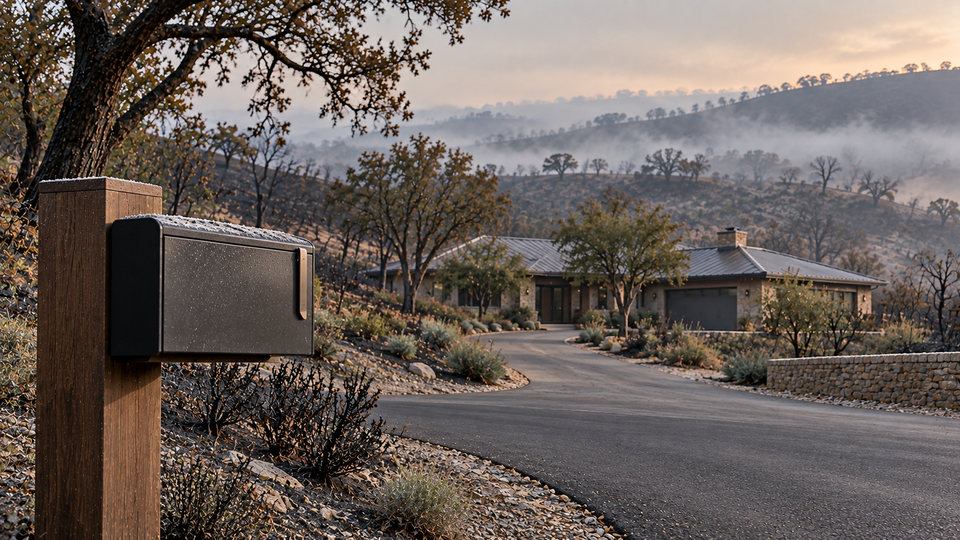
The text comes in on a Tuesday morning: the evacuation order for your zone has been lifted. You've spent six nights at your sister's place two counties over. On the drive back you pass blackened hillsides and a utility crew working on a downed line, and at the top of the driveway there's a film of gray ash on the mailbox.
This guide is for homeowners going back after a wildfire evacuation, whether the house is standing, damaged or gone. Leaving was the right call. Evacuation is always the safest choice when a wildfire threatens your home, and the trip back deserves the same planning the trip out did.
Here's what to do after a fire, in the order you'll need it: when it's safe to go back, what to check on the first visit, how to clean up and document damage, where to find help, and which systems on your property need service before the next fire season.
In Short
Return home only after officials lift the evacuation order for your area. On the first visit, check outside hazards before you go in, leave gas and electrical service to the utility, and follow your water provider's notice. Photograph every room before you clean or throw anything out, then call your insurer. If your county is in a federally declared disaster area, FEMA, the SBA and California's no-cost debris removal program can help, and the Red Cross helps after any home fire. Before the next fire season, get the safety systems on your property serviced, including the FORT® if you have one.
When Is It Safe to Return Home After a Wildfire?
It's safe to return home after a wildfire once your county sheriff or fire agency lifts the evacuation order for your zone. Cal OES puts the rule in one line: "Do not return to your home until officials determine it's safe" (Cal OES). Before an area reopens, crews check for downed power lines, damaged roads, hazard trees and hot spots, and they often reopen neighborhoods in stages.
Know Which Order You're Under
An evacuation order means there's an immediate threat to your life and you need to leave now. An evacuation warning means danger is close and an order may follow. In many California counties, repopulation starts when an order is lowered to a warning. You can go home under a warning, and you should be ready to leave again quickly. Your county's emergency alerts and its sheriff or fire agency announce each change.
Check the Roads Before You Drive
Highways near a burn area can stay closed after homes reopen while crews remove burned trees and repair guardrails. Caltrans QuickMap shows current closures on state highways: type in a town or place and the map zooms there. It covers state highways only, so check your county's road closure page for local roads. Keep your vehicle fueled or charged before you head back, since stations near the fire may still be closed or without power.
Find Out What to Expect Before You Arrive
After a destructive fire, CAL FIRE sends damage inspection teams to record the condition of each structure in the burn area. For some fires, CAL FIRE publishes those results as an online structure status map, as it did for the 2024 Line Fire and the 2025 Palisades and Eaton fires. Not every fire gets one, and where the map is posted varies, so check your fire's updates on CAL FIRE's incidents page and your county's emergency page. A structure missing from the map may still be damaged. A home marked as undamaged can still have smoke, ash or water damage inside, so plan to inspect it yourself.
What to Bring on the First Trip
Pack for a day without services. Much of this overlaps with your emergency preparedness kit:
- A close-fitting N95 or P-100 respirator. The California Department of Public Health says cloth and surgical masks let fine ash particles through.
- Work gloves, long sleeves, long pants and boots with thick soles
- Drinking water and food for the day
- A flashlight or headlamp, plus a phone charger or battery pack
- A camera or phone with plenty of storage for damage photos
- Copies of your insurance policy and ID
- Heavy trash bags and a basic first aid kit
How to Check Your Property Safely on the First Visit
Walk the outside of the property before you go inside, and leave right away if you smell gas or see walls, floors or the roof leaning, sagging or cracked.
Start Outside
- Ash pits. A burned stump or root system can leave a hole full of hot ash under a gray crust. Test the ground ahead of you with a shovel, and mark any pits you find so family and neighbors stay clear.
- Downed lines. Treat every downed power line as live. Stay well away and call the utility.
- Trees. Fire weakens trunks and roots, and a burned tree can fall days later on a calm afternoon. Keep cars and people out from under damaged trees.
- Roof, gutters and vents. Look from the ground for smoke, glowing material or scorched vent screens. Embers can smolder in gutters, attics and woodpiles after the fire front has passed. If you find smoke or heat, call 911.
Leave Utilities to the Professionals
Utilities are the part of the first visit to hand off. Cal OES lists these steps in its returning home guidance:
- Gas. If you smell gas, leave and call the utility from a safe distance. Keep natural gas and propane valves closed until the utility or your propane supplier inspects the system.
- Electricity. Leave the breakers off if the electric meter looks damaged.
- Solar. Have a licensed technician check the panels and wiring before you use them. Panels generate electricity whenever light hits them, so damaged wiring can stay energized while the grid is down.
- Heating oil. Have your supplier inspect the tank and lines before use.
Follow Your Water Provider's Notice
Use bottled water until your water provider says the tap water is safe. After the 2017 Tubbs Fire in Santa Rosa, the State Water Resources Control Board found benzene, a chemical linked to cancer, in water systems above drinking water standards. Fire melts and burns plastic pipes and meters, and benzene can soak into plastic pipe walls and leach back into the water over time. Boiling releases benzene into the air you breathe, so a boil-water notice and a do-not-drink notice call for different steps. Follow the exact notice your provider issues. If you're on a private well, ask your county environmental health department about testing before you use it.
Protect Your Lungs
Ash from burned homes and cars holds fine particles that irritate the lungs. Children, pregnant people, and anyone with asthma or heart or lung disease should stay away from ash cleanup entirely. If smoke is still hanging over the area, check air quality before you spend the day outside. Our guide to wildfire smoke maps covers the best tools.
What to Do After a Fire: A Room-by-Room Checklist
Photograph each room before you touch anything. Then work room by room: throw out food, drinks and medications exposed to heat, smoke or ash, and clean ash with damp methods only. This checklist covers the same ground as a standard "what to do after a house fire" list, adjusted for wildfire smoke and ash.
Kitchen
- Throw out food in open packages or permeable packaging like cardboard and plastic wrap, plus anything that sat near heat or ash. If in doubt, throw it out.
- Throw out canned food that's bulging, dented or was exposed to high heat.
- If the power was out, throw out refrigerated perishables like meat, dairy and leftovers. A closed refrigerator keeps food cold for about 4 hours without power.
- Ask your pharmacist or doctor about any medication exposed to heat or smoke, and about refrigerated medications like insulin.
Living Areas and Bedrooms
- Smoke odor settles into upholstery, mattresses, carpets and curtains. A professional cleaner can treat most of it.
- Photograph and list any damaged item before you throw it out, since your insurer may ask for proof.
- Wash smoke-exposed clothing separately from clean laundry.
Heating and Cooling
- Keep the HVAC system off until you've replaced the filter and had the system checked. Running it early pulls ash from the ducts and spreads it through the house.
Garage and Storage
- Leave damaged batteries, propane cylinders, paint and pool chemicals where they are. In declared disasters, state crews remove this household hazardous waste.
- If your home burned and you may join California's debris removal program, don't sift or move the debris yet. CalRecycle says moving or spreading debris can disqualify your property.
How to Clean Ash Safely
The California Department of Public Health recommends a damp, gentle approach to after-fire care:
- Wear your respirator, gloves, long sleeves and long pants.
- Sweep hard surfaces gently, then wet-mop. Use a damp cloth for light dust.
- Skip the leaf blower, shop vacuum and regular vacuum. All three blow fine ash back into the air. A HEPA vacuum is fine.
- Take shoes off at the door, keep kids and pets out of ash, and wash toys and pets that pick it up.
How to Document Damage and Start an Insurance Claim
Photograph and video every room, the exterior and the yard before you move anything, then call your insurer and ask how your policy covers temporary housing. Claims move faster when the adjuster can see the damage as you found it.
Document First, Clean Second
Walk through the house recording video and describing what you see out loud. Take close-ups of damaged appliances and electronics, including serial numbers. Keep every receipt from the evacuation onward: hotel stays, meals, mileage, cleaning supplies.
Know the Coverage Terms
- Dwelling coverage pays to repair or rebuild the house itself.
- Other structures coverage pays for fences, detached garages and sheds.
- Personal property (contents) coverage pays for your belongings.
- Additional living expenses (ALE) pays the extra cost of living somewhere else while your home is repaired or rebuilt.
- Replacement cost pays what it costs to replace an item new. Actual cash value pays replacement cost minus depreciation.
California added a protection for wildfire survivors in 2026. Under SB 495, after a total loss in a declared emergency, insurers must pay 60% of a policyholder's contents coverage limit, up to $350,000, without an itemized inventory. They also can't require a detailed inventory for at least 100 days (California Department of Insurance). Ask your agent or insurer how it applies to your claim.
Rebuild Your Inventory
If you made a home inventory before the fire, send it with the claim. If you didn't, rebuild one room by room from phone photos, social media posts, bank and credit card statements, and online order histories. Our guide to protecting valuables, records and people covers how to keep originals and copies safe before the next fire.
Where to Get Help If You're Uninsured or Underinsured
FEMA, the SBA and California's debris removal program help when a fire is part of a declared disaster. For a single house fire, start with the Red Cross and your county.
FEMA and SBA
FEMA Individual Assistance covers homes in counties under a presidential major disaster declaration. A single house fire, or a wildfire without a declaration, doesn't qualify. Pick your state on DisasterAssistance.gov to see whether your county is in a declared area. If it is, you can apply for FEMA assistance there. FEMA aid covers basic needs like temporary housing and essential repairs, and it's meant to work alongside insurance.
SBA disaster loans are low-interest loans for homeowners and renters in declared areas. Homeowners can borrow up to $500,000 to repair or replace a primary home, and homeowners and renters can borrow up to $100,000 for belongings. The SBA sets each amount based on the applicant's finances.
Debris Removal
In many declared California wildfires, the state runs a no-cost Consolidated Debris Removal Program. In Phase 1, crews remove household hazardous waste such as batteries, paint and propane tanks. In Phase 2, crews remove the remaining ash and debris. Property owners join by submitting a Right-of-Entry form to their county. Owners who hire a private contractor instead pay for the cleanup and follow county permit rules.
Red Cross and Community Help
The Red Cross responds to single-home fires as well as large disasters. Volunteers can help with temporary lodging, money for urgent needs like food and clothing, and emotional support. Call 1-800-RED-CROSS or use the Red Cross Get Help page. After large fires, counties often open a Local Assistance Center where state agencies, insurers and nonprofits meet residents in one place.
Mental Health Support
Shock, anger and exhaustion are normal reactions after coming home to a burned property. The Disaster Distress Helpline offers free, confidential crisis counseling 24 hours a day: call or text 1-800-985-5990. Kids react too. Keep their routines where you can and answer their questions plainly.
How to Get Your Property's Safety Systems Ready for Next Season
Anything you plan to rely on in the next wildfire needs to be inspected and serviced after this one, even if it looks undamaged. Fire season comes back every year, and recovery is the time to restore that protection, months before the next Red Flag Warning.
Water, Pumps and Generators
- Refill water storage tanks, and check the lines, fittings and hoses for heat damage.
- Have generators and fire pumps serviced. Ash clogs air filters, so replace them and test each unit under load.
- Run exterior sprinklers and roof-wetting systems and clear any nozzles packed with ash.
The FORT
If you have the FORT on your property, WSS requires it to be serviced after any activation or wildfire exposure. That includes a fire that passed while nobody was inside and the FORT held only valuables. Service covers recharging the air cylinders, replacing any used supplies, and an inspection of all systems by a certified WSS technician. Owners of the FORT schedule it through their account at wildfiresafetysystems.com. While you're there, clear the branches, leaves and debris that built up around the unit.
Defensible Space
A fire changes your defensible space. Burned shrubs become dead fuel, and scorched trees near the house, driveway or road can turn into hazard trees. Have an arborist assess damaged trees, then rebuild your zones. Our estate defensible space guide walks through each one.
How to Prepare Better Before the Next Fire Season
Use what you learned on the way out and on the way back to fix the weak spots in your home and your plan.
If you're rebuilding in a California Fire Hazard Severity Zone, the new structure has to meet Chapter 7A of the California Building Code, which sets ember-resistant standards for roofs, vents, siding, windows and decks. Ask your county building department how those standards apply to repairs. Our guide to home hardening retrofits covers the upgrades that matter most on an existing home.
Then write down what slowed you down during the evacuation: the documents you couldn't find, the road that was closed, the pet carrier in the wrong closet. Fix each one in your go-bag, family plan and home inventory. Our step-by-step guide on how to prepare for a wildfire and WSS's wildfire preparedness page cover the full plan.
Where the FORT Fits in Your Plan After a Wildfire
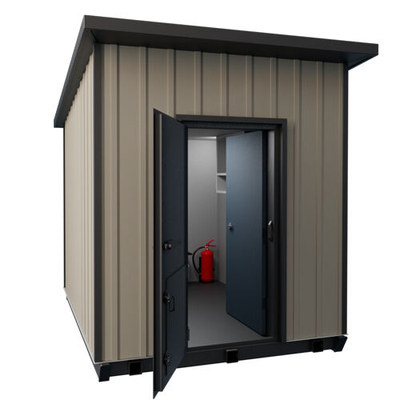
Evacuation is always the safest choice. The FORT is there when it isn't possible. It's an above-ground, on-site refuge designed to work alongside evacuation planning and home hardening as part of a layered wildfire protection plan. In WSS testing, its materials were exposed to sustained temperatures up to 2,000°F, and its air system kept oxygen and carbon dioxide at safe levels for up to 8 occupants over 4 hours.
The FORT is also a secure place for what you can't replace. Deeds, passports, family photo albums, jewelry and backup drives can go inside before you evacuate, and they stay protected even if the house burns. When you come back, the originals you need for insurance claims and rebuilding are still on the property.
If fire closes the roads before you can leave, the FORT is where your household takes refuge. Plan for the hours and days after the fire passes, too. Power, water and cell service can be out, fallen trees and power lines can block the roads, and emergency crews may not reach your property for days. Keep enough water, food, medications, lights and backup power ready at the FORT to get your household through several days. Follow the FORT's exit steps before you leave the unit, and tell family or emergency contacts where you are.
After any wildfire exposure, schedule the service described above so the FORT is ready for the next season.
Learn About the FORT
Frequently Asked Questions
After a fire in your house, wait until the fire department or local officials say the home is safe to enter, then document the damage, call your insurer and secure the property. After a wildfire, that clearance comes when the evacuation order for your area is lifted. Leave gas and electrical service to the utility, use bottled water until your water provider clears the tap, and photograph every room before you clean. The Red Cross can help with lodging and urgent needs after any home fire.
FEMA helps after a house fire only when the home is in a county covered by a presidential major disaster declaration, as with many large wildfires. A single house fire doesn't qualify for FEMA assistance. You can check whether your county is declared and apply at DisasterAssistance.gov. Outside a declared area, the Red Cross and your county are the main sources of immediate help.
After a house fire with no insurance, start with the Red Cross, which can help with temporary lodging and money for urgent needs. If the fire is part of a declared disaster, apply for FEMA assistance and an SBA disaster loan, which offers low-interest loans of up to $500,000 for home repairs and $100,000 for belongings. In declared California wildfires, the state's debris removal program clears burned properties at no out-of-pocket cost. Keep receipts for every fire-related expense, since aid programs ask for them.
Tap water after a wildfire is safe to drink once your water provider confirms it. Fire can melt plastic pipes and meters, and after the 2017 Tubbs Fire the State Water Resources Control Board found benzene in water systems above drinking water standards. Use bottled water until the notice is lifted. Boiling releases benzene into the air, so follow the exact notice your provider issues.
A home fire shelter needs to be inspected and serviced after a wildfire, even if nobody went inside. WSS requires the FORT to be serviced after any activation or wildfire exposure: recharging the air cylinders, replacing used supplies and an inspection of all systems by a certified technician. Other shelter makers set their own service rules, so check the manufacturer's requirements before you rely on any shelter again.
Key Takeaways
- Return home only after officials lift the evacuation order for your area.
- Check outside hazards before you enter, and leave if you smell gas.
- Use bottled water until your water provider clears the tap.
- Photograph every room before you clean or throw anything away.
- FEMA aid requires a declared disaster; the Red Cross helps after any home fire.
- Service water tanks, pumps, generators and the FORT before the next fire season.
Final Thoughts
Recovery after a wildfire takes weeks, and the order of the work matters: officials first, then the outside of the house, then the inside, then the paperwork. Before the next season starts, put back the protection the fire used up. Refill the tanks, service the equipment, and if you're weighing an on-site refuge, see how the FORT fits into a plan that still starts with evacuation.