Table of Contents
-
- What a Home Fire Shelter Is (and Isn’t)
- When to Use: After Evacuation Options Fail
- Where It Fits in Your Plan
- Siting & Access at Home
- Capacity & Duration: How Long Do Fire Shelters Last
- Using a Shelter to Protect Valuables as Part of Your Plan
- Buying Basics
- Family Procedures + Storage of Go-Bags
- Where the FORT® Fits in a Layered Wildfire Plan
- FAQs
- Final Thoughts
Wildfires are becoming more unpredictable, with faster-moving fire behavior, shifting winds, and changing conditions that can outpace even well-prepared plans. As a result, more homeowners are researching options like a home fire shelter. However, many searches—such as “home fire shelter for sale” or “best home fire shelter”—focus on the product itself without fully understanding how it fits into a broader safety strategy.
A home fire shelter is not a standalone solution. It is one part of a layered approach that includes preparation, risk reduction, and evacuation planning. Knowing what a shelter is designed to do—and what it is not—helps homeowners make better decisions before a fire ever starts.
It is also important to recognize that wildfire preparedness is rarely about a single decision or product. Instead, it is built over time through small, consistent steps that improve readiness and reduce uncertainty. Understanding where a home fire shelter fits within that process allows it to support, rather than disrupt, a well-structured plan.
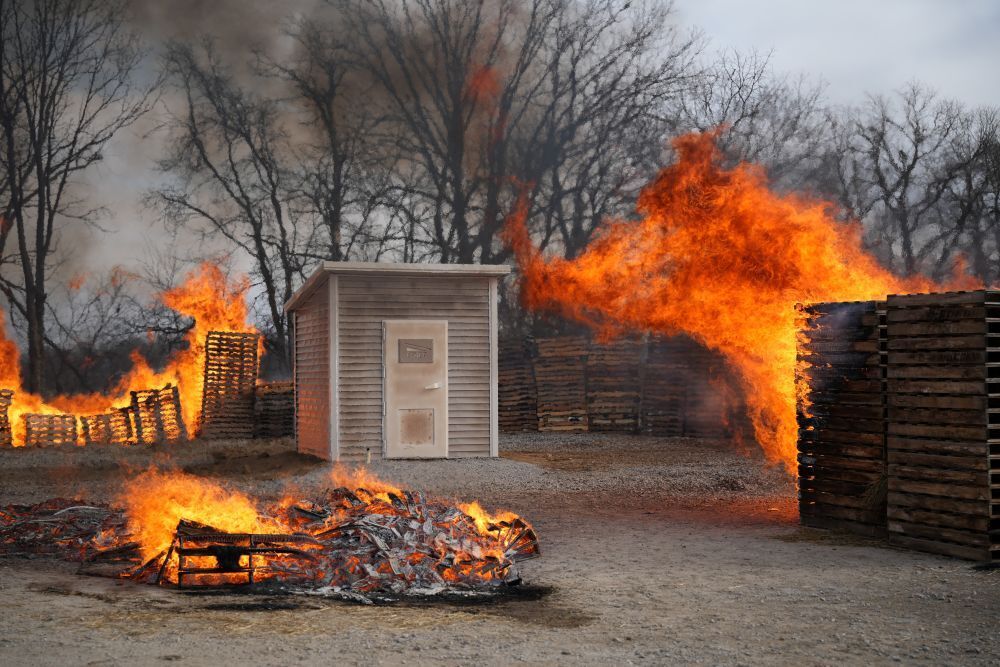
This guide explains how a home fire shelter fits into a complete wildfire preparedness plan, including when it may be used, how it should be integrated, and what to consider before purchasing or installing one. Evacuation remains the safest option whenever it is available and recommended by local authorities. For human sheltering, residential fire shelters should only be considered in rare situations when conditions change rapidly or routes become compromised. A home fire shelter can also serve as a secure place to store items that are too large, sensitive, or time-consuming to move during evacuation. For additional information on how wildfire conditions develop and spread, understanding what causes wildfires and how those factors influence risk can help you better prepare.
Summary
A home wildfire shelter is a human occupancy option designed for situations when evacuation is no longer possible. It does not replace evacuation planning, defensible space, or home hardening, but instead fits into a broader wildfire preparedness strategy. The most effective approach is to leave early, follow official guidance, and treat sheltering as a backup if wildfire conditions change unexpectedly and compromise evacuation routes.
In addition to its role in life safety, a residential fire shelter can also be used as part of your preparation to protect valuables or essential items that cannot be easily evacuated. Understanding how a residential fire shelter fits within evacuation routes, decision triggers, and household planning helps ensure it supports wildfire safety rather than complicates it.
What a Home Fire Shelter Is (and Isn’t)
A home fire shelter is a protected space or structure designed to provide temporary protection during extreme wildfire exposure. Its purpose is to reduce exposure to radiant heat, embers, and smoke for a limited period. Depending on the design, it may be integrated into a property or installed as a separate structure, but it is always intended for emergency use.
These shelters differ from the portable fire shelters used by wildland firefighters. Firefighter shelters are lightweight and deployable, while home fire shelters are fixed or semi-permanent and part of a broader property plan.
At its core, a home fire shelter is a temporary refuge used only when evacuation is no longer possible. It is not designed to be a primary defense strategy or used casually. It is equally important to understand what it is not. It does not replace evacuation planning, defensible space, or home hardening. It is not intended to withstand every wildfire scenario indefinitely, and it should never be relied upon as a guaranteed outcome.
When to Use: After Evacuation Options Fail
The most important factor in using a home fire shelter is timing. It is not something you plan to rely on—it is something you prepare in case other options disappear. In most wildfire events, there is a window of time between when a fire is identified and when it reaches a property. During that time, alerts are issued and residents are given opportunities to evacuate safely. The goal is always to leave early, before conditions become unpredictable.
A shelter becomes relevant only when that sequence breaks down. This may happen if a fire spreads quickly, winds shift, or evacuation routes become blocked. In those moments, the decision is no longer between staying and leaving—it is about what options remain. A shelter should never be used as a reason to delay evacuation. Waiting too long is one of the most common factors in dangerous wildfire outcomes.
There are clear priorities when it comes to wildfire safety:
- Monitor alerts and conditions
- Prepare for evacuation early
- Leave when advised
- Use shelter only if evacuation is no longer possible
Where It Fits in Your Plan
A home fire shelter is most effective when it is part of a structured preparedness plan. Without that structure, it can create confusion during critical moments. Evacuation routes are the foundation. Every household should identify at least two ways to leave the property and keep those routes clear during fire season.
Decision triggers help reduce hesitation. These might include:
- Official evacuation notices
- Fire activity nearby
- Sudden changes in wind or smoke conditions
Communication planning is also essential. Wildfires can disrupt normal channels, so households should have backup contact methods and clear meeting points. Assigning roles improves response. When each person knows their responsibilities—such as gathering go-bags or assisting others—decisions happen more quickly and with less confusion.
Within this structure, the shelter serves as a backup option rather than a central focus. It supports the plan but should never redefine it.
Fire Evacuation Checklist
Siting & Access at Home
Accessibility is one of the most important factors in a shelter’s effectiveness. It should be easy to reach quickly from main living areas without navigating obstacles. Visibility also matters. During a wildfire, smoke and stress can make even familiar spaces difficult to navigate. A shelter that is easy to locate at a glance is more likely to be used effectively. Egress, or the ability to exit safely, is just as important as entry.
Once conditions improve, occupants need a clear path to move away and assess surroundings. Placement should also avoid areas with heavy vegetation, fuel sources, or structures that could collapse. While detailed siting decisions require professional input, the goal is to ensure the shelter remains accessible under real conditions.
Capacity & Duration: How Long Do Fire Shelters Last
Each shelter is built for a specific number of occupants based on available space and airflow, so it is important to consider not just how many people it holds, but how quickly they can enter and how movement may be limited once inside.
Duration depends on external conditions. Wildfires vary in intensity and behavior, which means shelters are designed to provide protection during the most severe phase of exposure rather than for extended occupancy. The goal is to withstand peak conditions and allow occupants to remain protected until it is safe to exit. For more detail on how these systems are evaluated under real-world conditions for a home fire shelter like the FORT®, review the fire shelter testing and safety information.
Remember, when people ask how long fire shelters last, they are often referring to long-term reliability. This depends on materials, environmental exposure, and ongoing maintenance. Regular inspections and following manufacturer guidance help ensure the shelter remains functional and ready when it is needed.
Using a Shelter to Protect Valuables as Part of Your Plan
While most discussions around fire shelters focus on personal safety, some homeowners also consider how a protected structure can support the preservation of important items. In this context, a shelter is not a last-resort decision, but part of a broader preparation process that takes place before evacuation. Items that are difficult to replace—such as physical records, backup drives, or high-value belongings—can be staged in advance when fire risk is elevated.
This approach is especially relevant for properties where removing everything quickly is not practical. Rather than relying on small, portable storage solutions that may not perform under prolonged wildfire conditions, a more robust structure can offer an additional layer of protection when used as part of a larger plan. The goal is not to delay evacuation, but to reduce the need for last-minute decisions about what to take.
Some homeowners incorporate systems like the FORT into this type of planning, using it to help safeguard select items alongside other preparedness measures. When used this way, it becomes one more tool that supports organization and readiness ahead of a potential evacuation, rather than something introduced only during an emergency.
Buying Basics
When searching for a home fire shelter for sale, it is important to evaluate options carefully rather than focusing only on availability or price. A shelter should be considered in the context of your property, your risk level, and how it fits into your overall preparedness strategy, since differences in design and installation can affect how it performs in real conditions.
Testing and certification should be a priority. Reputable systems provide clear, documented information about how they perform under heat and other wildfire-related conditions, helping set realistic expectations. Vendor experience also matters. Working with a team that understands wildfire behavior and property-specific risk can help ensure the right solution is selected and properly integrated.
For example, the Wildfire Safety Systems team takes a consultative approach when evaluating whether a FORT® is a good fit. Rather than treating it as a one-size-fits-all product, they assess the property and how it aligns with evacuation planning and defensible space before recommending installation. Homeowners can explore this process through the FORT configurator.
Design features such as air management, structural durability, and overall system integrity should also be considered in context. At the same time, it is important to approach marketing language cautiously. Terms like “fireproof” can create unrealistic expectations, especially in prolonged wildfire exposure.
Ultimately, the best home fire shelter is one that fits into a broader strategy—supporting preparation and decision-making without replacing the need for evacuation.
Explore The FORT Configurator
Family Procedures + Storage of Go-Bags
Wildfire preparation becomes more effective when it is practiced. Training helps turn planning into action, making it easier to respond quickly under pressure. Households should run through different scenarios, including nighttime evacuation or limited visibility conditions. These exercises do not need to be complex but should be consistent. Evacuation should remain the focus of every drill. Shelter use should be included as a secondary scenario but should never replace evacuation practice.
Go-bags should be stored near exits and easy to access so they can be grabbed quickly without delaying departure. Over time, these practices build familiarity and reduce hesitation, allowing for faster and more confident decision-making when conditions change. As homeowners build out their preparedness plans, exploring related topics such as evacuation checklists, go-bag essentials, and how homes ignite during wildfires can help connect individual decisions into a more complete approach.
How to Pack Your Go-Bag
Where the FORT Fits in a Layered Wildfire Plan
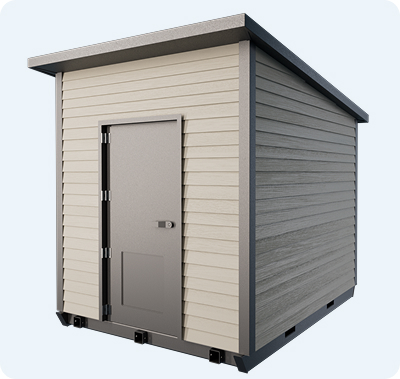
In situations when evacuation isn’t possible, sheltering in a purpose-built, tested refuge like the FORT can provide temporary protection. Always evacuate if you can; the FORT is not a substitute for evacuation.
The FORT is designed to function within a broader wildfire preparedness strategy rather than as a standalone solution. It is engineered to provide temporary protection during extreme wildfire exposure, with systems that support breathable air and communication during rapidly changing conditions.
When integrated thoughtfully, the FORT complements defensible space, home hardening, and evacuation planning. It reinforces a layered approach that prioritizes leaving early while still accounting for scenarios where evacuation is no longer possible. For more detail, review the FORT use guidance and the testing and safety information.
FAQs
Fire shelters are designed to provide short-term protection from heat and embers in extreme conditions. Their effectiveness depends on how they are used, surrounding conditions, and timing. They are not intended to replace evacuation but to provide protection if escape is no longer possible. Systems like the FORT® are designed with this same purpose in mind, functioning as a last-resort layer within a broader preparedness strategy.
There is no single solution. The most effective approach combines defensible space, home hardening, evacuation planning, and awareness of changing conditions. A shelter can be one part of this system but should not be relied on alone. Some homeowners incorporate solutions like the FORT® as one layer within a broader, coordinated approach to wildfire preparedness.
Home fire shelters are designed for emergency use in very specific conditions and can provide protection when used correctly. However, they are not intended for routine use or long-duration occupancy. The safest approach is always to evacuate early when possible and rely on shelters only if conditions prevent safe escape. Purpose-built systems such as the FORT® are designed to support this type of last-resort use.
The lifespan of a fire shelter depends on its materials, construction, and how it is stored and maintained over time. Regular inspections and following manufacturer recommendations help ensure it remains functional. Over time, components may require servicing or replacement to maintain performance. For example, systems like the FORT® are designed with durability and long-term reliability in mind as part of a broader preparedness strategy.
Many safes are designed for short-duration residential fires, not prolonged wildfire exposure. Extended heat, structural collapse, and long burn times can compromise them. They can still play a role in planning, but they should not be relied on as the only method of protection for important items. Some homeowners instead consider more robust solutions like the FORT® as part of a layered approach to protecting both people and valuables.
Creating defensible space involves clearing vegetation and reducing fuels around the home, especially within the first five feet (often called Zone 0). This helps reduce ignition risk from embers and slows fire spread. These steps work best when combined with evacuation planning and other preparedness measures, and may be complemented by additional layers such as a system like the FORT® in certain scenarios.
A shelter should be located where it is easy to access quickly from main living areas, even in low visibility conditions. It should not block evacuation routes and should be positioned away from heavy fuels or areas where structures could collapse. Placement decisions should support both evacuation and last-resort use, similar to how systems like the FORT® are integrated into a broader property plan.
Key Takeaways
- For human sheltering, a home fire shelter is part of a comprehensive wildfire safety plan—used alongside evacuation and mitigation, not in place of them.
- A residential wildfire shelter also can provide a secure place for high-value or irreplaceable items that cannot be easily evacuated
- The most effective wildfire strategy prioritizes early evacuation, defensible space, and home hardening.
- Shelters should be integrated into a plan with clear routes, decision triggers, and assigned roles.
- Accessibility, visibility, and safe placement are critical for a shelter to be usable under real conditions.
- Understanding capacity, duration, and maintenance helps set realistic expectations for performance.
- Training and drills ensure your plan can be followed quickly when conditions change.
Learn More About the FORT
Final Thoughts
A home fire shelter can play a role in wildfire preparedness, but only when it is understood within the full context of how fires behave and how emergencies unfold. The foundation of any plan starts with reducing risk around the property and making sure evacuation can happen quickly and without hesitation.
Leaving early remains the most effective way to stay safe. A shelter is not something to rely on by default, but something to prepare for in case conditions change faster than expected and options become limited. Keeping that distinction clear helps ensure decisions are made with the right priorities in mind.
When evacuation planning, property maintenance, and clear communication all work together, a home fire shelter becomes part of a layered strategy rather than a standalone solution. Taking time to review your plan, practice key steps, and adjust based on changing conditions can make that strategy more effective over time.
Get Started With the FORT®