Table of Contents
- Wildfire Preparation Timeline at a Glance
- How to Check Your Wildfire Risk and Set Up Alerts
- What to Finish on Your Home and Land Before Fire Season
- How to Make a Home Inventory Checklist That Holds Up in a Claim
- How to Make a Family Wildfire Plan Everyone Can Follow
- What to Check When Fire Season Starts: Go-Bags, Vehicles and Evacuation Routes
- What to Do When a Red Flag Warning or Evacuation Warning Is Issued
- Where the FORT Fits in Your Wildfire Preparation Plan
- Frequently Asked Questions
- Key Takeaways
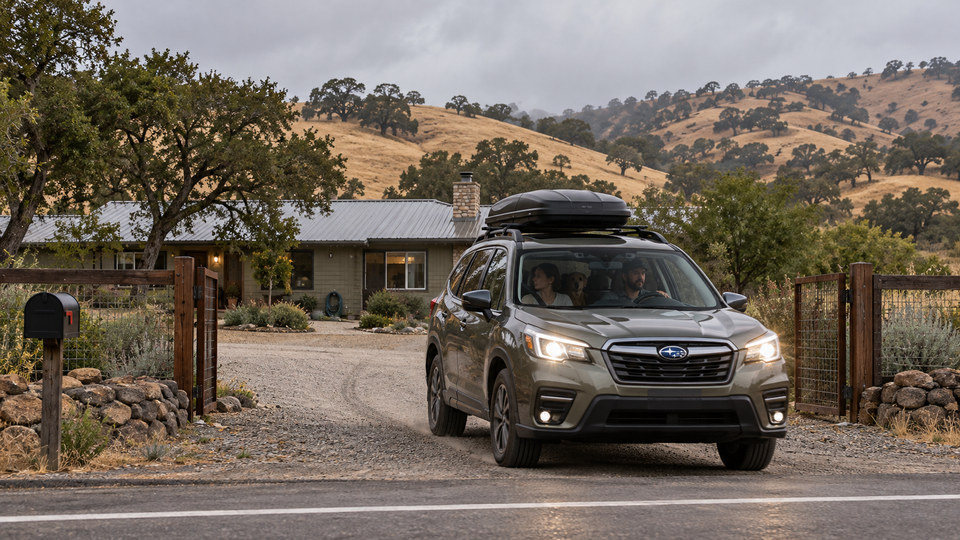
At 4 p.m. on a windy Tuesday in October, a family outside Santa Rosa gets a text from the county: evacuation warning for their zone. Fifteen minutes later the car is backed out of the garage with the bags, the dog and a file box of documents inside. The fast part happened that afternoon. The slow part happened in April, when they cleared the gutters, filmed every room for a home inventory and decided who would grab the dog.
Wildfire preparation works best on a calendar. This guide is for homeowners in wildfire country who want to spread the work across the year and stop saving it for one rushed afternoon. It sorts every task by when to do it: before fire season, when fire season starts, and in the hours after a warning. It also includes a home inventory checklist you can finish in a weekend.
Leaving early is always the safest choice when a wildfire threatens. Every step below is designed to make that departure faster.
In Short
Wildfire preparation means doing the slow work before fire season, checking your gear when the season starts, and leaving early when officials issue a warning. The slow work is checking your risk, hardening your home, clearing defensible space, making a home inventory and agreeing on a family plan. Once fire season begins, keep go-bags packed, vehicles fueled or charged, and two routes out of your neighborhood mapped.
Evacuation is always the safest choice. For the moment when leaving is no longer possible, an on-site refuge like the FORT® is designed to work alongside evacuation planning and home hardening as one layer of a broader plan.
Wildfire Preparation Timeline at a Glance
Wildfire preparation splits into three windows. Most of the work belongs in the first one. The table below shows what to do in each window and about how long it takes.
| When | What to do | About how long |
|---|---|---|
| Before fire season (late winter to spring) | Check your risk zone, sign up for alerts, harden the home, clear defensible space, make a home inventory, review insurance, write a family plan | A few weekends, spread out |
| When fire season starts | Pack or refresh go-bags, fuel or charge vehicles, drive two routes out, run a family drill (including a FORT drill if you have one) | One afternoon |
| Every month during the season | Check bags, batteries, medications and fuel or charge levels | 10 minutes |
| Red Flag Warning issued | Load the car, move flammable items away from the house, stay ready to leave | 30 minutes |
| Evacuation warning issued | Leave if you can, especially with kids, pets, livestock or anyone who needs extra time | 15 minutes to go |
"Before fire season" means the calmest, wettest months where you live. In much of California that's late winter into spring. Our guide to fire weather explains the wind and humidity patterns that mark the most dangerous days.
How to Check Your Wildfire Risk and Set Up Alerts
Start by looking up your property's fire hazard severity zone and signing up for your county's emergency alerts. Both are free and take about 10 minutes together.
A fire hazard severity zone is CAL FIRE's rating of how likely an area is to see severe wildfire, from Moderate to Very High. Enter your street address in the CAL FIRE Fire Hazard Severity Zone viewer, and it shows whether the state or a local agency handles wildfire response at that address, along with the recommended zone. In areas covered by a city or county, the map shows CAL FIRE's recommended zones. The zones your local government officially adopted can differ, so the viewer lists local contacts to confirm with.
Alerts come next. Wireless Emergency Alerts reach every phone in an area automatically. County alerts come from your county's emergency office, and you have to register to get them. On the CalAlerts sign-up page, pick your county, and it sends you to that county's alert registration. Add every phone in the household, plus the address of any property you own.
Outside California, your state forestry agency and county emergency management office usually publish the same two things: a hazard map and an alert sign-up.
For more ways to read your risk, see our roundup of the best wildfire risk map websites and apps. During fire season, our guide to checking for fires near you covers the live maps.
What to Finish on Your Home and Land Before Fire Season
Embers cause up to 90% of home ignitions during wildfires, according to the Insurance Institute for Business & Home Safety (IBHS). The first jobs on your list are the ones that keep embers from landing on fuel at or next to the house. CAL FIRE notes that embers can ignite homes up to a mile from the fire.
Harden the Home, Starting With the Roof
Home hardening means changing the building itself so it resists ignition. Work in this order:
- Roof and gutters. Clear needles and leaves from the roof and gutters. A Class A roof (the highest fire rating) is the long-term goal if yours isn't already.
- Vents. Cover attic and crawl space vents with 1/16-inch to 1/8-inch noncombustible, corrosion-resistant metal mesh, per CAL FIRE's home hardening guidance. Embers that get into an attic can burn a house from the inside.
- Windows. CAL FIRE recommends dual-pane windows with at least one layer of tempered glass, which holds up longer against heat.
- Anything attached to the house. Wood fences, decks and trellises carry fire straight to the walls. CAL FIRE recommends noncombustible material for the section of fence that connects to the house.
Our guide to home hardening retrofits covers the larger projects. For more on why embers do so much damage, read how flying embers ignite homes.
Clear Defensible Space in One Weekend
Defensible space is the buffer between a building and the vegetation around it. California law already requires it in two zones: Zone 1 (within 30 feet of the house) and Zone 2 (30 to 100 feet, or to your property line). A weekend list for most lots, drawn from CAL FIRE's defensible space guidelines:
- Clear dead plants, grass and weeds, and remove dead leaves and pine needles from the yard, roof and gutters.
- Trim overhanging branches so they stay 10 feet from the chimney.
- Clear anything flammable from under decks, balconies and stairs.
- Move woodpiles out past 30 feet.
- Cut annual grass to a maximum height of 4 inches.
- Keep 10 feet of clear space down to bare soil around propane tanks and outbuildings.
Zone 0, the first 5 feet around a home, doesn't have a statewide rule yet. The Board of Forestry adopted Zone 0 regulations in August 2026 and withdrew them from final legal review on September 8, so nothing statewide is in effect. Some cities and counties already require it. Your local fire agency can tell you what applies at your address. For larger properties, see our guide to estate-grade defensible space.
Our step-by-step guide to how to prepare for a wildfire covers home hardening and defensible space in more detail, checklist by checklist.
How to Make a Home Inventory Checklist That Holds Up in a Claim
A home inventory is a record of everything you own and roughly what it's worth. The fastest way to make one is a narrated video walk-through of every room, backed up with photos, receipts and a copy stored online. It takes a weekend the first time and an hour each year after that.
An inventory matters most after a total loss. Without one, you're rebuilding a list of your belongings from memory while living somewhere else. With one, the list already exists.
What to Record, Room by Room
Work through the house with your phone recording video, and talk as you go. Use this checklist:
- Every room, every closet. Open drawers, cabinets and closet doors on camera. Pan slowly.
- Say what you see. Name the brand, model and roughly when you bought it. "Samsung TV, 65 inches, bought 2023" is enough.
- Serial numbers. Take close-up photos of the serial number labels on electronics, appliances, tools and bikes.
- High-value items. Photograph jewelry, art, collectibles, instruments and firearms individually. Keep any appraisals.
- The places people forget. The garage, attic, shed, wine storage, the pool equipment, outdoor furniture, the grill and anything stored off-site.
- The house itself. Film the exterior, the landscaping, built-ins, upgraded fixtures and any recent remodel.
Collect the Documents That Back It Up
Receipts, appraisals and remodel invoices prove value. So does the declarations page of your homeowners policy, which lists your coverage limits. Scan or photograph them and add them to the inventory folder.
Store It Somewhere the Fire Can't Reach
Upload the video, photos and scans to a cloud storage account. Then save a second copy on a USB drive or external hard drive. If you own the FORT, keep that drive inside it, where it stays protected even if the house burns. Without the FORT, keep the drive with a relative or friend outside your area. A copy kept only in the house can burn with the house.
Decide Where Your Originals Go Before Fire Season
A home inventory records what you own. The originals still need a plan: passports, the property deed, family photos, a grandparent's ring, a painting. Decide before fire season where each one goes when you leave, and write the answer into your family plan. Every irreplaceable item without a plan becomes a decision during an evacuation warning, when you should be loading the car.
Sort them into two groups:
- Goes in the car. Passports, birth certificates, the property deed, insurance papers, medications and small keepsakes. Keep the papers together in one labeled folder or box so one person can grab it.
- Needs a protected place. Art, heirloom furniture, collections and boxes of family photos are too big, heavy or numerous to load in 15 minutes. If you own the FORT, these items go inside it before you leave. Without the FORT, move what you can to a bank safe deposit box or a home outside your area before fire season.
FORT owners should keep the items headed for the FORT organized in one place so they can be moved inside quickly, and practice that move during family drills. Valuables inside the FORT stay protected even if the house burns. A home safe is a weaker option. In a wildfire, a burning house and its debris can stay hot for hours, and home safes are typically tested at 1,550°F to 1,700°F for 30 to 90 minutes. Our article on why fireproof safes fail in wildfires explains what that means for anything stored inside. Our guide to protecting valuables and records covers more options.
Check Your Coverage While You're at It
Your inventory is the right moment to read your policy. Four terms matter most:
- Dwelling limit: the most the policy pays to rebuild the house.
- Contents coverage: the most it pays for your belongings.
- Replacement cost vs. actual cash value: replacement cost pays what it takes to buy the item new today. Actual cash value pays that amount minus depreciation.
- Additional living expenses: the coverage that pays for a place to stay and other extra costs while you're displaced.
California adds protections for wildfire survivors. Since January 1, 2026, insurers must pay 60% of the contents coverage limit, capped at $350,000, after a wildfire total loss, with no itemized inventory required, according to the California Department of Insurance. The same law gives you at least 100 days to provide proof of loss after a declared state of emergency. Claiming the rest of your contents limit still takes an itemized list, and that's where an inventory pays off. Insurers must also advance at least four months of additional living expenses on request after a total loss, and policyholders get at least 36 months from the first payment to collect replacement cost, per the department's wildfire claims bulletin. Your agent or insurer can confirm how these rules apply to your policy.
Update It Once a Year
Pick a fixed date, such as the spring weekend you clear defensible space, and add anything new. Record big purchases as they happen.
How to Make a Family Wildfire Plan Everyone Can Follow
A family wildfire plan names who does what, how you'll reach each other and where you'll meet if you're separated. Write it down, and give every adult and older child a copy.
- Roles. Assign one person to load the car, one to get the pets, and one to check on a neighbor who may need help. Name a backup for each job in case someone is at work.
- Communication. Choose one relative or friend outside your area as the contact everyone checks in with. Save that number in every phone and on a paper card in each go-bag.
- Meeting places. Pick two: one close to home and one outside your area, in case roads into the neighborhood close.
- Kids at school. Learn the school's evacuation and pickup rules, and add any adult who might pick up your children to the school's approved list.
- Older relatives and anyone who needs extra time. List medications, mobility equipment and the doctors' phone numbers. People who need more time to leave should go on the evacuation warning.
- Pets and livestock. Keep a carrier for each pet. For horses and livestock, arrange a trailer and a destination before fire season.
Then practice. Run the plan once before fire season, timing how long it takes to get everyone and everything into the car. Ready.gov's family emergency plan form gives you a template to fill in. Our fire evacuation checklist covers what to take and where to go.
If you own the FORT, practice getting into it too. The FORT's operating instructions call for a practice fire drill with the whole family at least twice a year:
- Give each family member a job, such as carrying go-bags, bringing pets or moving the valuables you've chosen.
- Time how long it takes to get everyone, plus your supplies and valuables, inside the FORT.
- Keep the air cylinder valves closed during drills. Open them only in a real emergency.
- Use the FORT's 6-month maintenance inspection as your reminder to run the drill and refresh your family plan, contact list and go-bags.
Leaving early is still the plan. The FORT drill prepares your family for the day fire closes the roads before you can get out.
What to Check When Fire Season Starts: Go-Bags, Vehicles and Evacuation Routes
When fire season starts, have go-bags packed, vehicles fueled or charged, and two routes out of your neighborhood mapped and driven. After that, a 10-minute check once a month keeps everything ready.
Pack or Refresh Go-Bags
A go-bag is a packed bag for each person that you can grab on the way out. At a minimum it holds important documents, cash, medications and medical information, and a phone charger with a backup battery, according to Cal OES. Our guide to what to pack in a go bag has the full list. For longer stays away from home, see our emergency preparedness kit guide.
Keep Vehicles Ready
CAL FIRE's evacuation guide recommends keeping at least half a tank of gas in your vehicle. For electric vehicles, keep the battery at a level that gets you well outside your area. Keep keys in one agreed place. Learn how to open your garage door and any electric gate by hand, since power often goes out during wildfires.
Drive Two Routes Out
Drive two different routes out of your neighborhood before you need them. Note where roads narrow, dead-end or pass through heavy brush. Many California counties now divide neighborhoods into numbered evacuation zones and name those zones in their alerts. If yours does, look up your zone and write it on the family plan.
Do a 10-Minute Monthly Check
Pick the same day each month. Check that medications are current, batteries are charged, documents are in the bags and the car is fueled or charged.
What to Do When a Red Flag Warning or Evacuation Warning Is Issued
When a Red Flag Warning is issued, get ready to leave. When an evacuation warning is issued, leave if you can, and leave right away if you have kids, pets, livestock or anyone who needs extra time.
The three alerts mean different things:
- Red Flag Warning: the National Weather Service issues one when critical fire weather is happening now or will be soon.
- Evacuation warning: danger to your life or property is coming. Get ready to go, and go now if you need extra time, according to Cal OES.
- Evacuation order: the threat is immediate. Leave right away.
If you have time before you leave, CAL FIRE's Go! Evacuation Guide recommends these steps:
- Put go-bags in the car and park it in the driveway facing out, loaded, with the doors and windows shut.
- Close all windows and doors, and leave them unlocked.
- Bring patio furniture, doormats and other flammable items inside.
- Leave the lights on so firefighters can see the house in smoke.
- Check that neighbors are getting ready to leave too.
Leave as soon as you feel at risk, even before an order. CAL FIRE's guidance is to follow officials' instructions right away. For a fuller checklist for Red Flag days, read what to do when a Red Flag Warning is issued.
Where the FORT Fits in Your Wildfire Preparation Plan
Evacuation is always the safest choice, and everything in this guide is designed to make leaving early faster. A fast-moving fire can still close roads before everyone gets out.
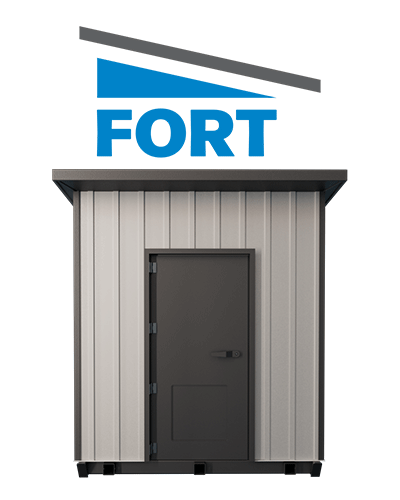
The FORT is an above-ground, on-site refuge designed to work alongside evacuation planning and home hardening, for the case where leaving isn't possible. Its materials were tested at sustained temperatures up to 2,000°F, and its air system kept oxygen and carbon dioxide in safe ranges for up to 8 occupants over four hours, according to WSS's published test results.
The FORT is also a secure place on the property for items you can't replace. Original documents, photo albums, family heirlooms and the backup drive that holds your inventory can go inside before you leave. They stay protected even if the house burns, so you can drive away without sorting what to carry. Practice moving them inside during your twice-yearly family drill so everyone knows their job.
Learn About the FORT
Frequently Asked Questions
Wildfire preparation is the set of steps a household takes before a fire to make the home harder to ignite and to make leaving early fast and safe. It includes checking your risk, hardening the home, clearing defensible space, making a home inventory, writing a family plan and keeping go-bags packed. Our wildfire preparedness page collects WSS's planning resources in one place.
A home inventory checklist should cover every room plus the garage, attic, shed and outdoor items, with the brand, model, approximate purchase date and value of each item. Photograph serial numbers and high-value items, scan receipts and appraisals, and store everything online. Save a second copy on a drive kept where the fire can't reach it: inside the FORT if you own one, or with someone outside your area. Our guide to protecting valuables and records covers where to keep the originals.
Start wildfire preparation in the calmest, wettest months where you live, which in much of California means late winter into spring. Use that time for the slow jobs like home hardening, defensible space and the home inventory. Then check go-bags, vehicles and routes when fire season begins. Our guide to fire weather explains which conditions raise the risk.
An evacuation warning means danger is coming and you should get ready to leave. An evacuation order means the threat is immediate and you should leave right away. Leave on the warning if you have children, pets, livestock or anyone who needs extra time. Our fire evacuation checklist covers what to take.
A wildfire shelter can be part of a preparation plan as one layer alongside home hardening, defensible space and an evacuation plan. Evacuation stays the first choice whenever it's possible. The FORT is an above-ground, tested refuge built for the case where leaving isn't possible. Its air system was tested for up to 8 occupants over four hours.
Key Takeaways
- Do the slow work in late winter and spring, before fire season.
- Look up your fire hazard severity zone and register for county alerts.
- Embers cause up to 90% of home ignitions, so clear roofs, gutters and vents first.
- Film every room for your home inventory and store the video online.
- Write into your family plan where each irreplaceable original goes when you leave.
- Keep at least half a tank of gas, or a solid charge, all season.
- Leave on the evacuation warning if anyone in your household needs extra time.
Final Thoughts
A 15-minute departure in October depends on the work done in spring. Spread wildfire preparation across the year: the house and land before fire season, the bags and routes when it starts, and a quick monthly check until it ends. Do the home inventory once, update it every year, and keep a copy online.
Leaving early stays the plan. To see how an on-site refuge can sit alongside it, learn how the FORT fits into a layered wildfire protection plan.